The best educational flash cards make a specific skill easier to practice, from letter sounds and sight words to bilingual vocabulary and number sense. Choose by the learner’s age, the subject they need to build, and whether a self-checking device or hands-on activity will keep practice engaging.
Quick Top Products
Educational Insights Hot Dots Phonics Fun
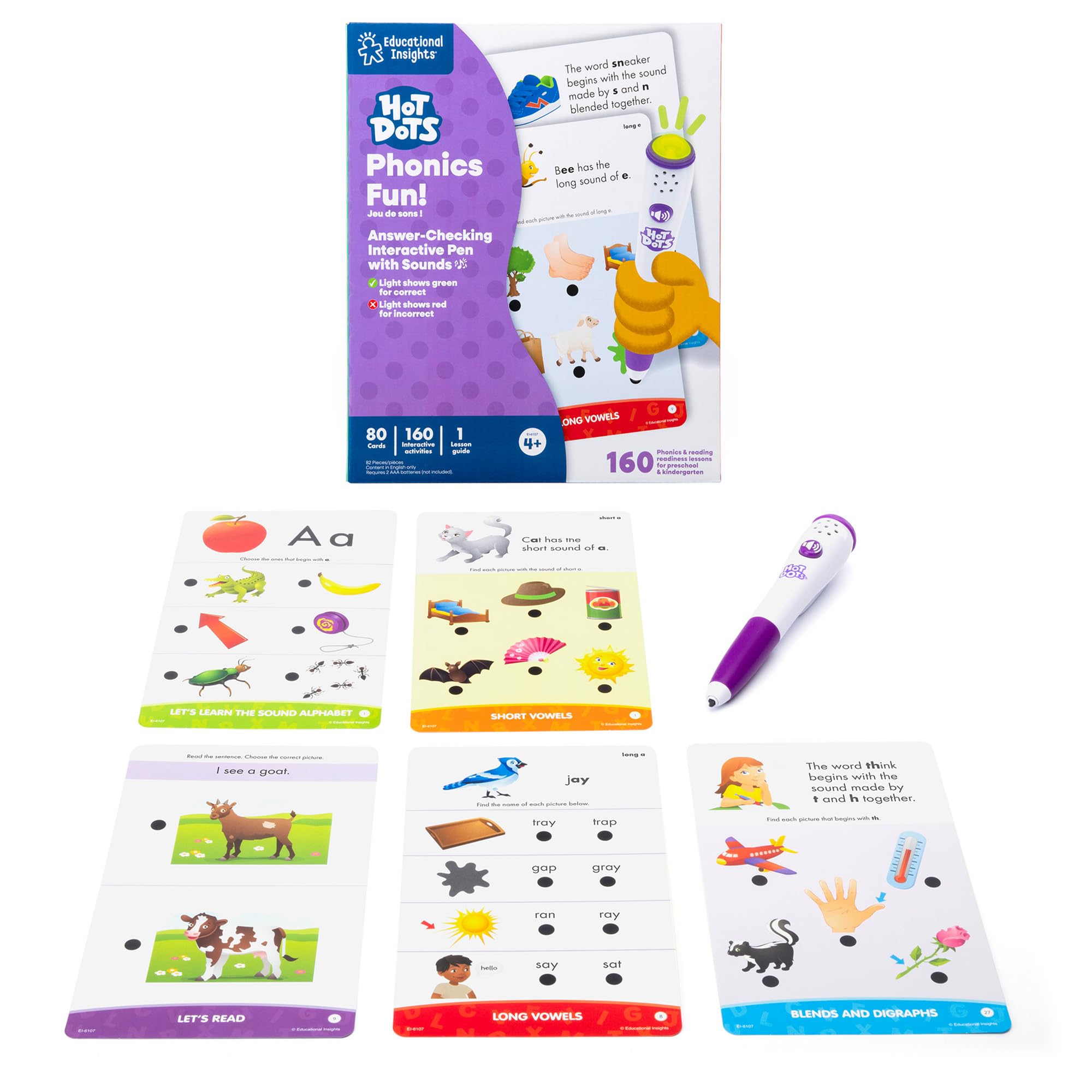
- Includes 80 double-sided cards for 160 activities and an interactive pen.
- Covers phonics foundations, including letter sounds, vowels, blends, and sight words.
- The pen provides visual and audio feedback, with a mute option.
Best For: Preschoolers and kindergarteners practicing phonics and early sight words with immediate feedback.

Learning Resources Sight Word Stomp!
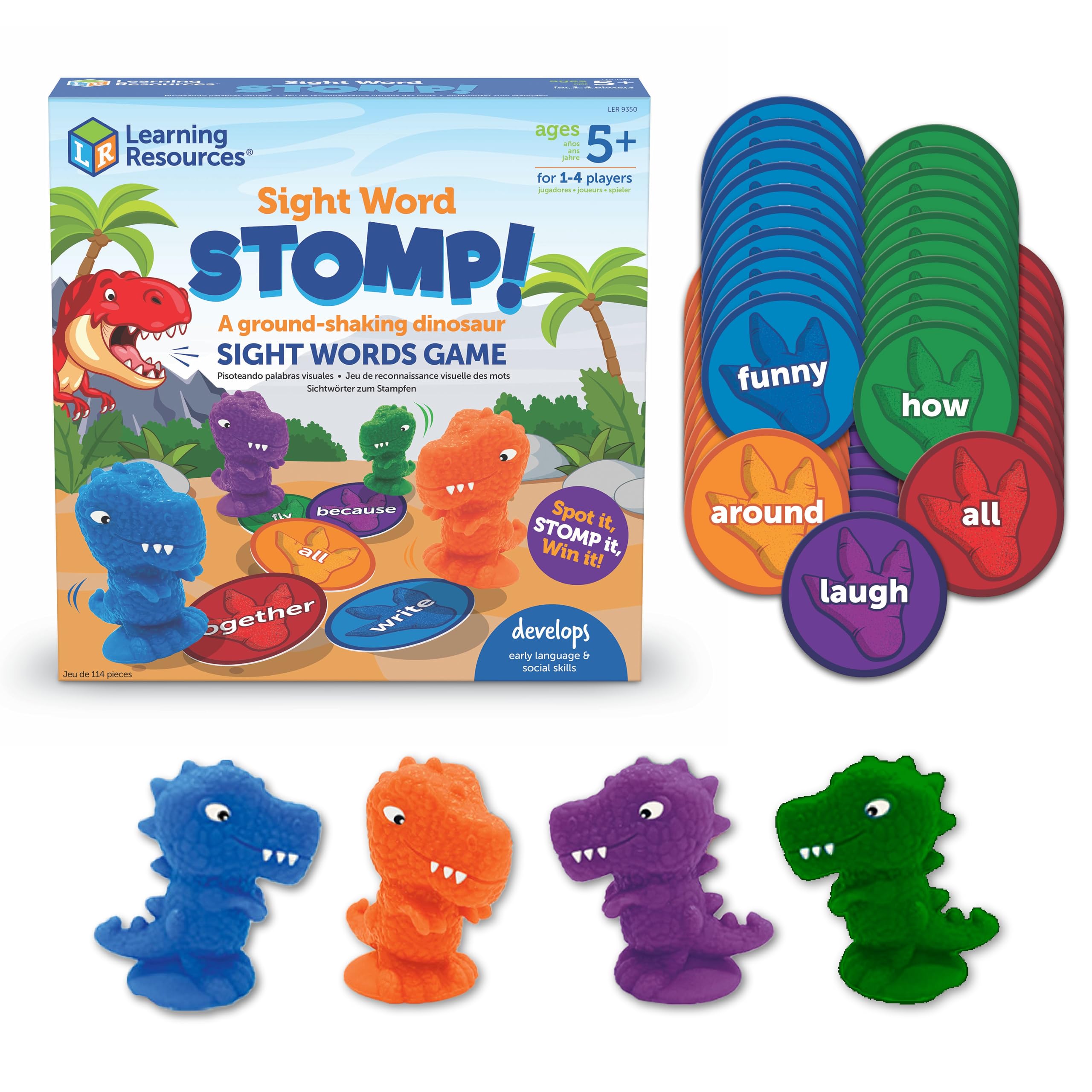
- Provides 110 double-sided cards with 220 sight words.
- Cards are color-coded from Pre-Primer through Third Grade.
- Includes four dinosaur stompers that suction to word cards.
Best For: Children ages 5 and up who learn well through movement and game-style sight-word practice.
hand2mind Alphabet Picture Mnemonic Cards
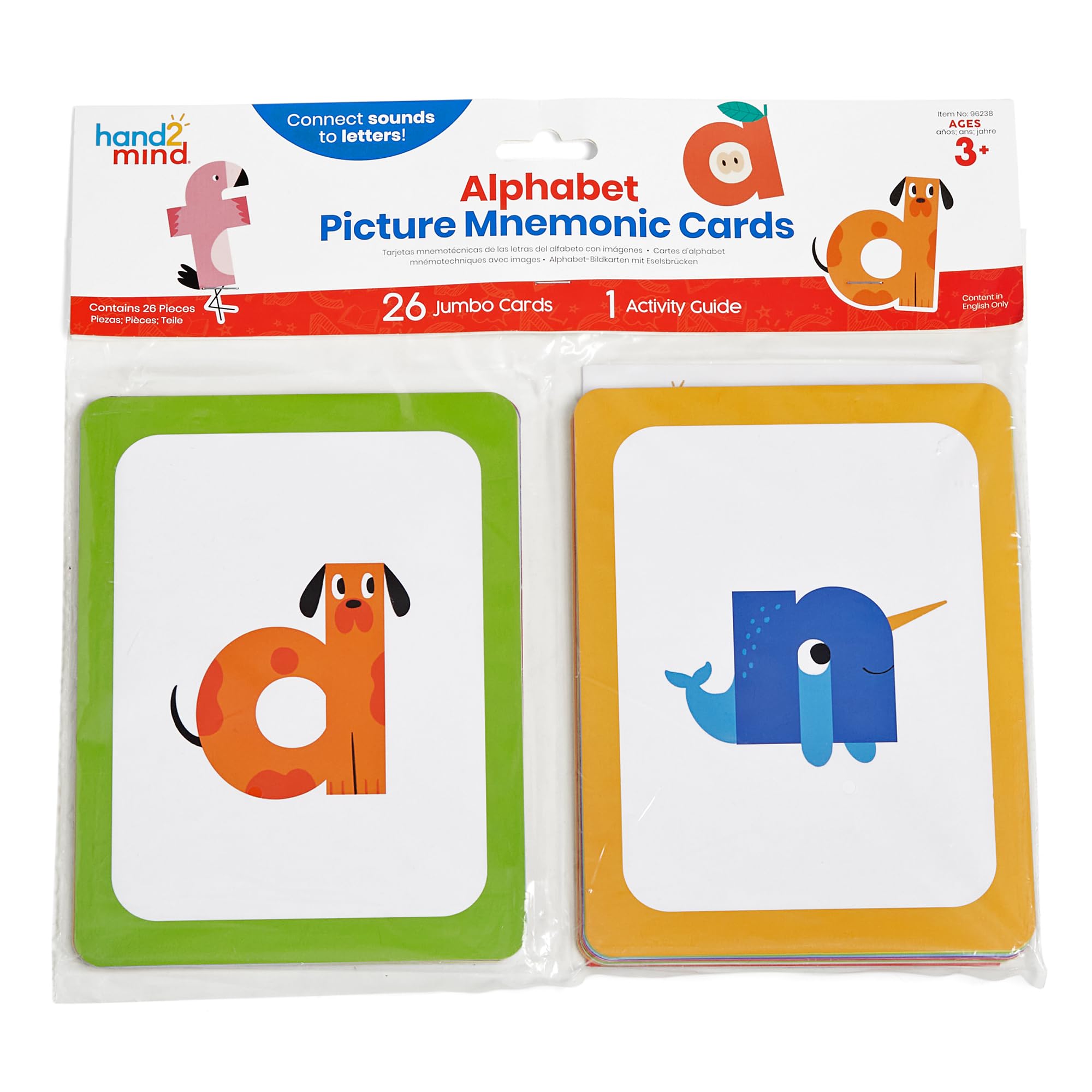
- Includes 26 double-sided picture mnemonic cards and an activity guide.
- Pictures link lowercase letter shapes to familiar images and sounds.
- Jumbo cards measure 6 by 8 inches.
Best For: Early learners building letter recognition and sound associations with large, visual cards.
Educational Insights Hot Dots Numbers & Counting
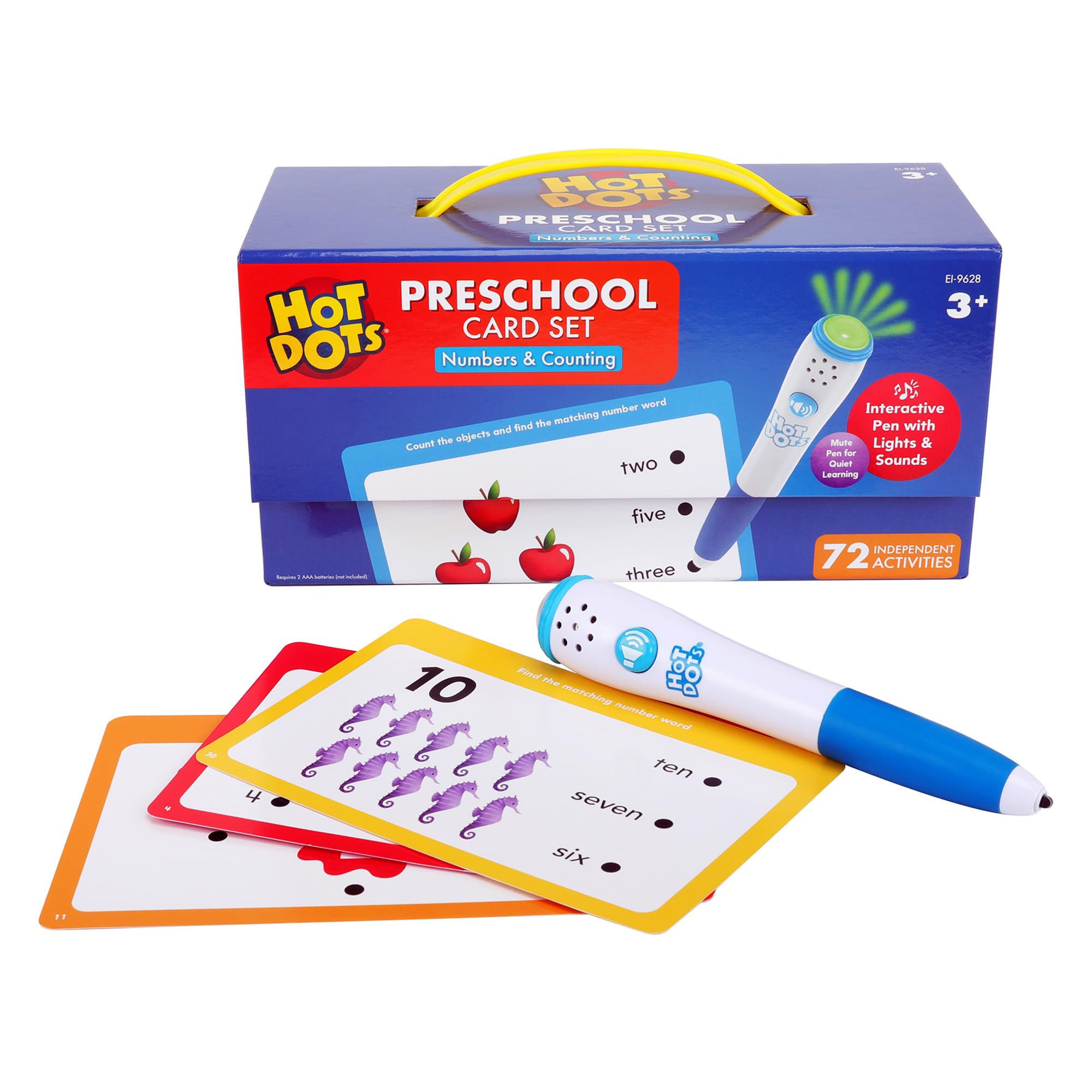
- Includes 36 double-sided cards for 72 activities, an interactive pen, and storage case.
- Activities address number recognition, number words, counting, and sequencing.
- The pen gives visual and audio feedback that can be muted.
Best For: Children ages 3–5 practicing number recognition, counting, number words, and sequencing.
Learning Resources Minute Math Electronic Flash Card
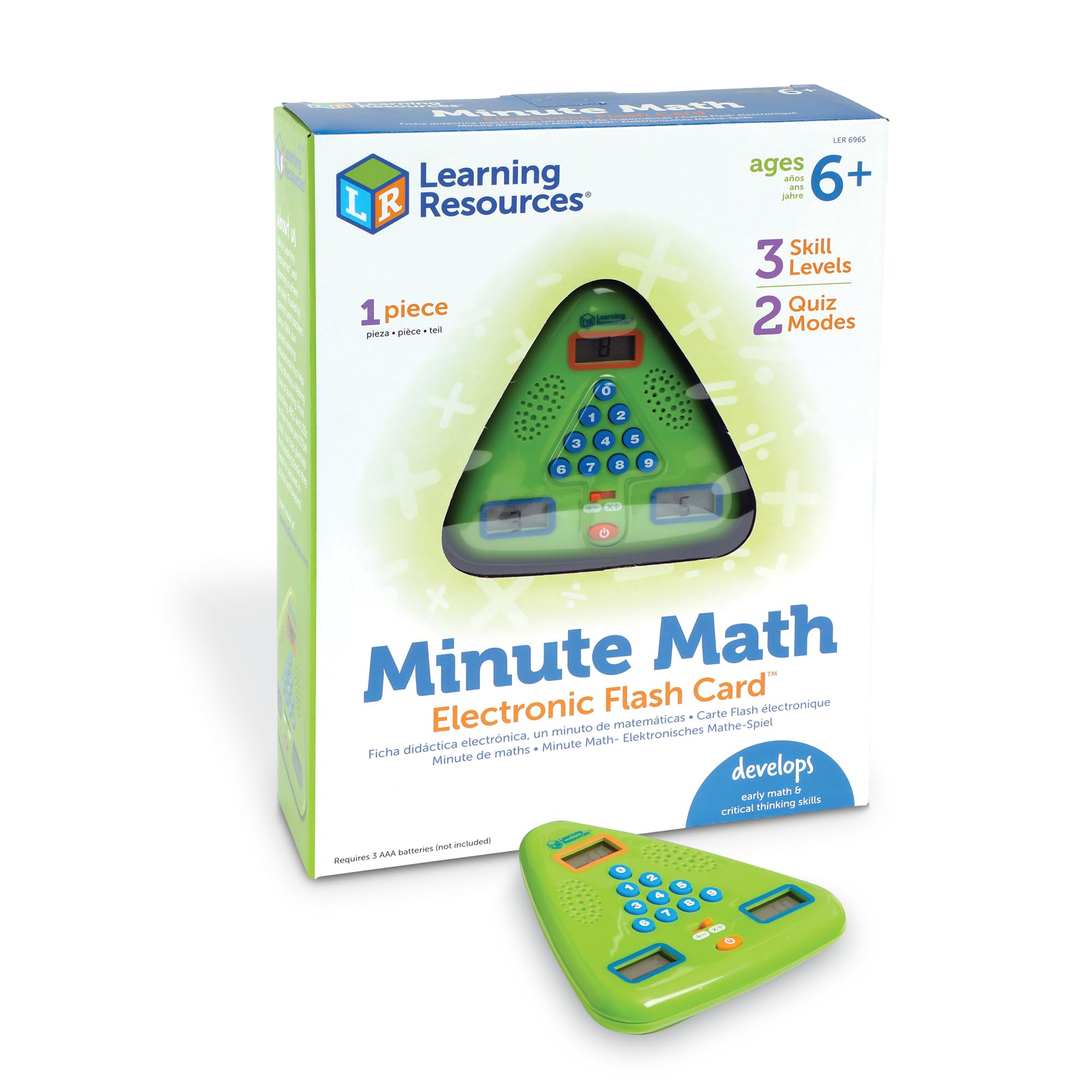
- Covers addition, subtraction, multiplication, and division.
- Includes one-minute timed challenges.
- Offers three progressive skill levels and a silent mode.
Best For: Learners who need timed or quiet practice across addition, subtraction, multiplication, and division.
Spanish & English Talking Flash Cards, 510 Words
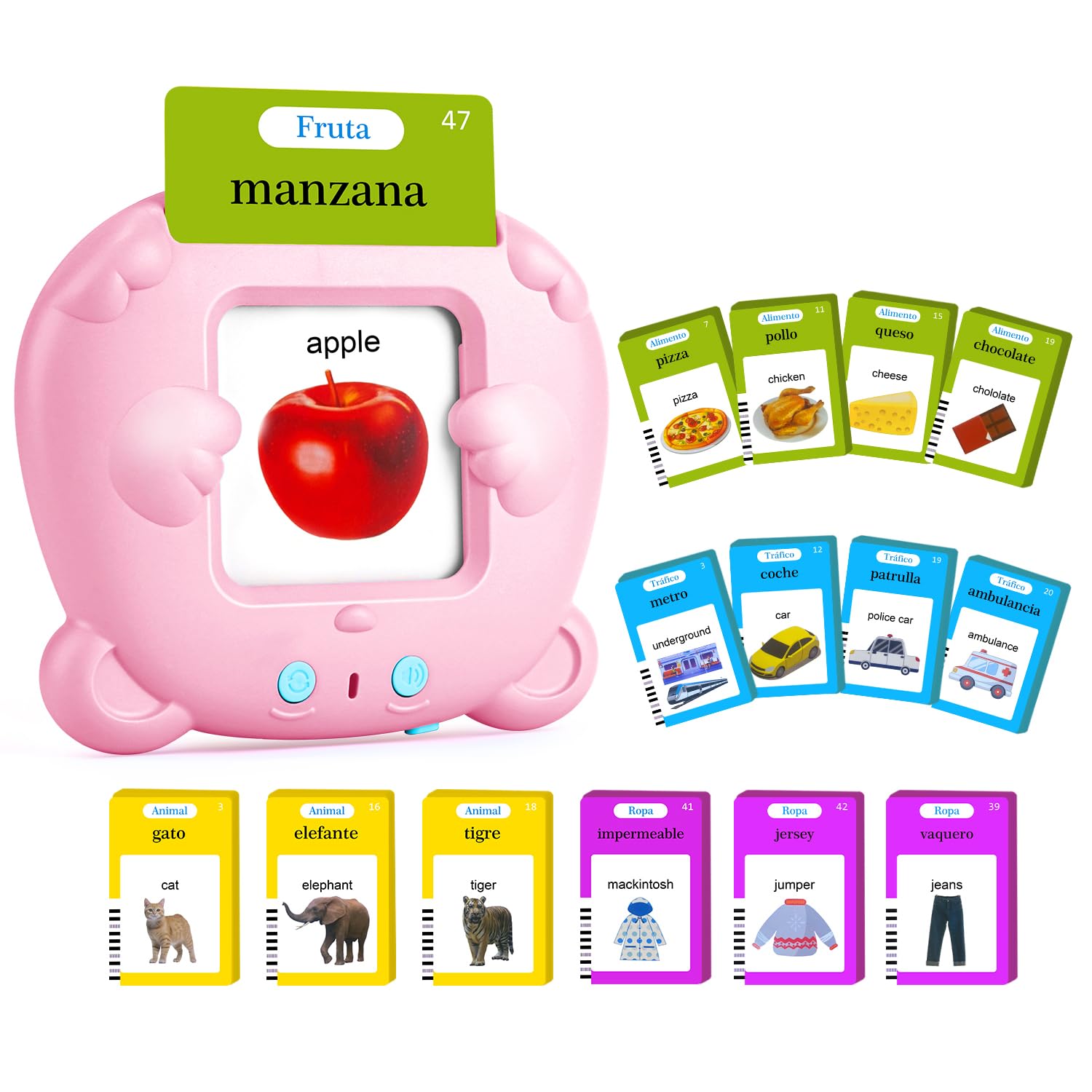
- Includes 255 double-sided cards covering 510 words.
- Topics include animals, transportation, food, fruits, vegetables, people, and jobs.
- The reader has a rechargeable battery lasting up to 4.5 hours.
Best For: Children learning everyday vocabulary in Spanish and English through picture-and-audio practice.
AHJ Talking Flash Cards with 420 Words
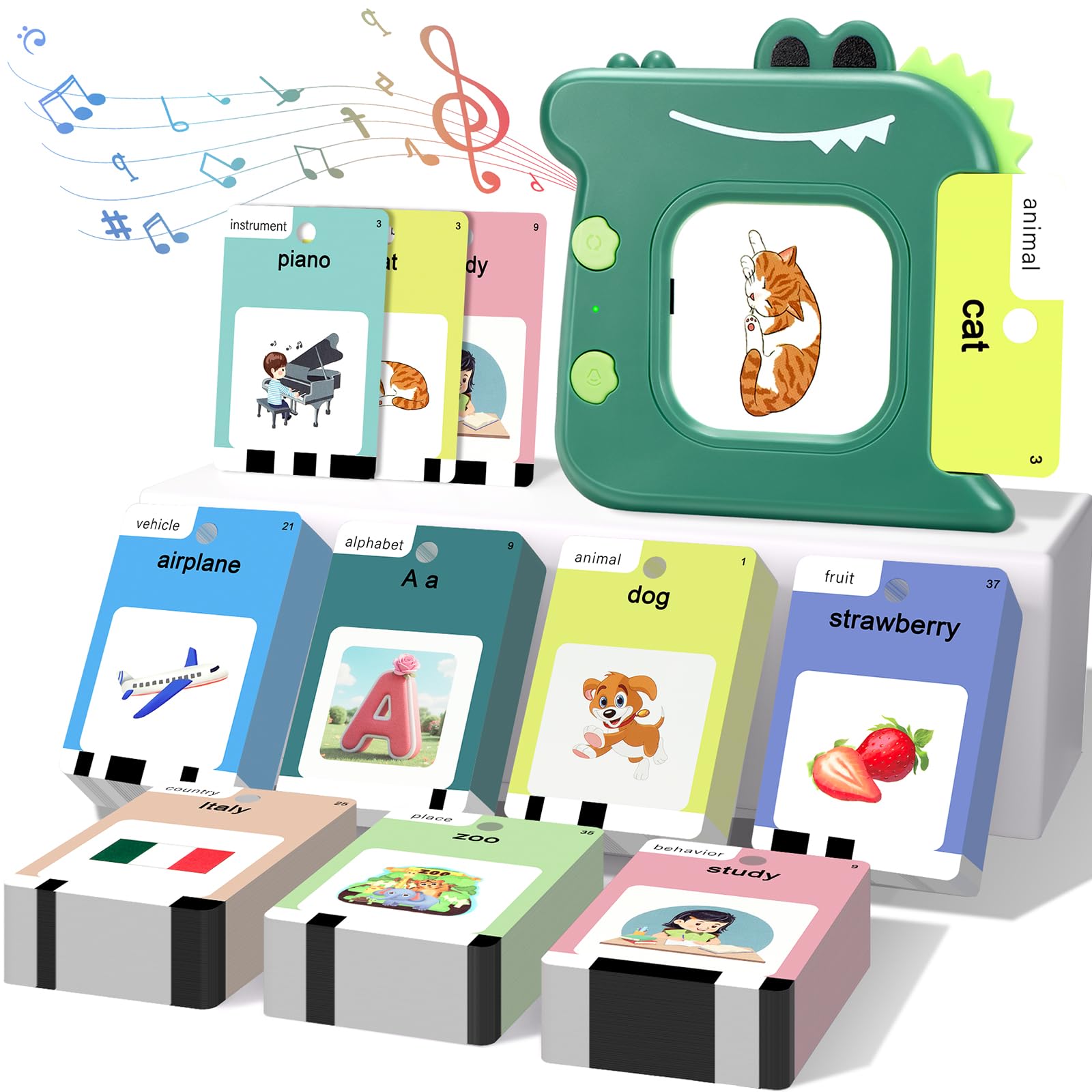
- Covers 420 illustrated words across everyday topics.
- The reader speaks words and plays animal or vehicle sounds.
- Includes repeat, adjustable volume, and a rechargeable battery lasting up to 4.5 hours.
Best For: Toddlers practicing English vocabulary with audio and picture prompts at home or on the go.
Learning Resources Multiplication Master
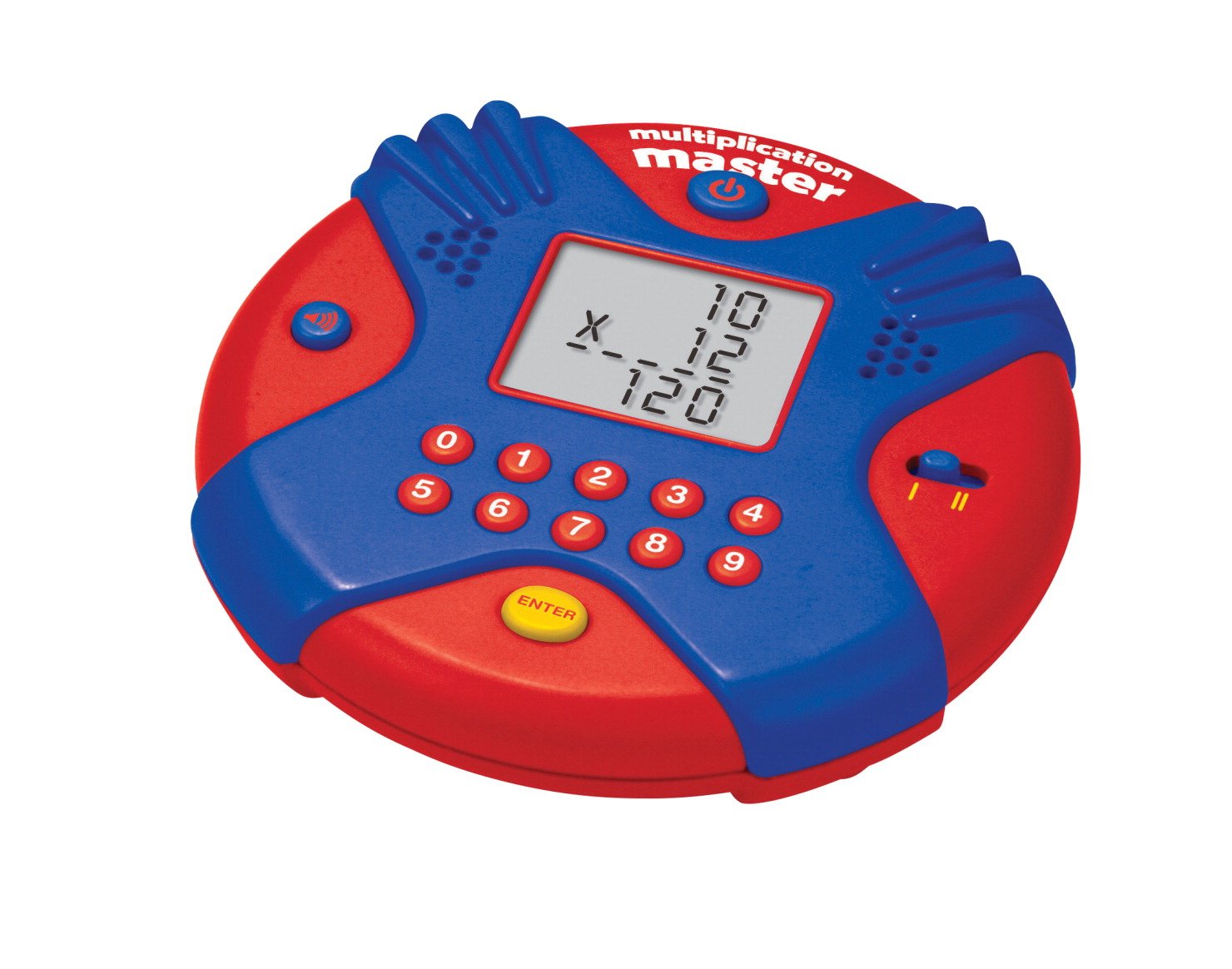
- Practices multiplication facts from 0 through 12.
- Provides two skill levels and timed or untimed modes.
- Requires three AAA batteries and measures 4.5 inches in diameter.
Best For: Learners ages 7 and up who want focused multiplication fact practice with timed or untimed modes.
hand2mind Sort That Sound Activity Set
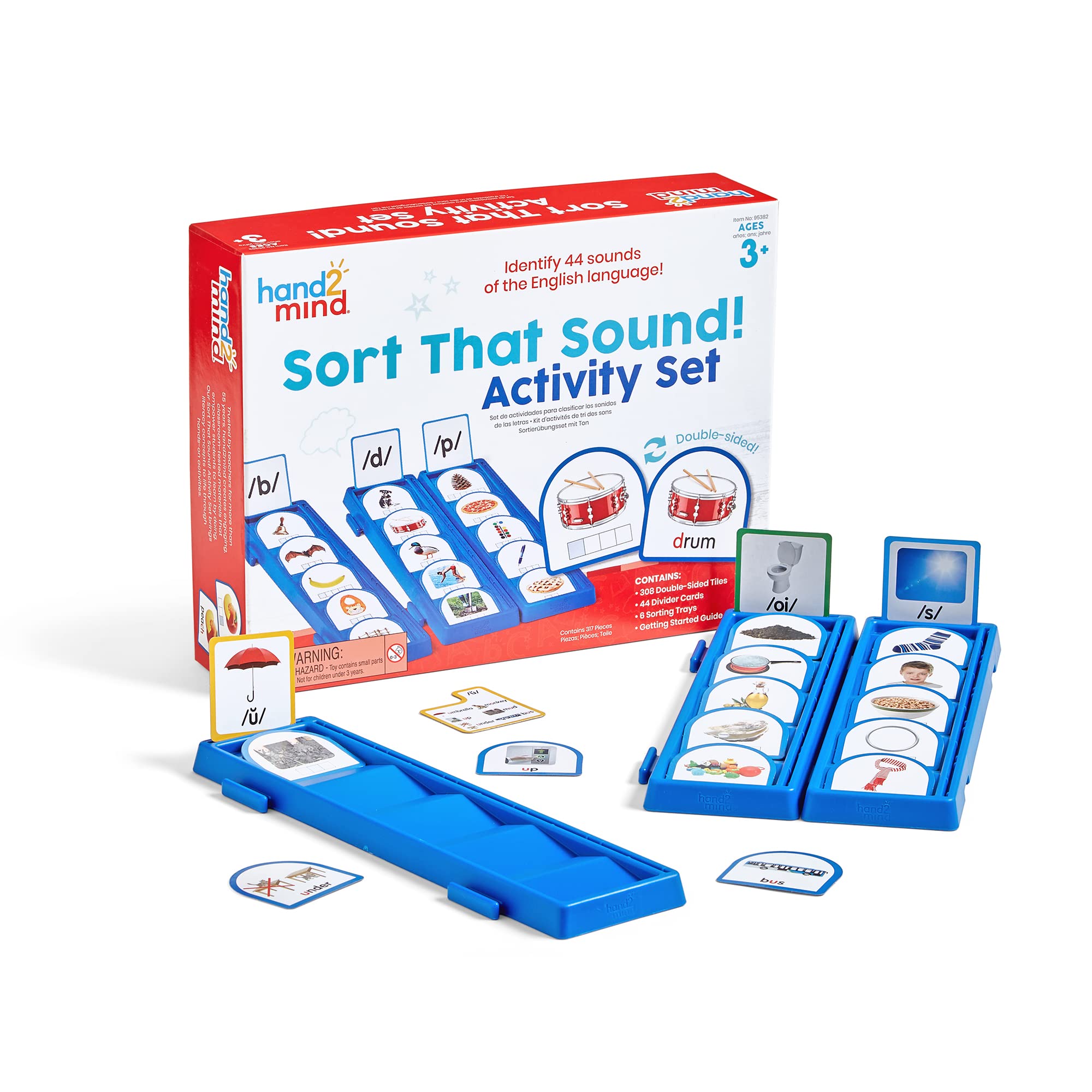
- Includes 44 sound tiles, 220 picture tiles, dividers, and six sorting trays.
- Children match picture tiles to the corresponding sounds.
- The double-sided sound tiles can also be used as flash cards.
Best For: Preschool and elementary learners building phonemic awareness through sorting and picture matching.
Learning Resources Word Whiz
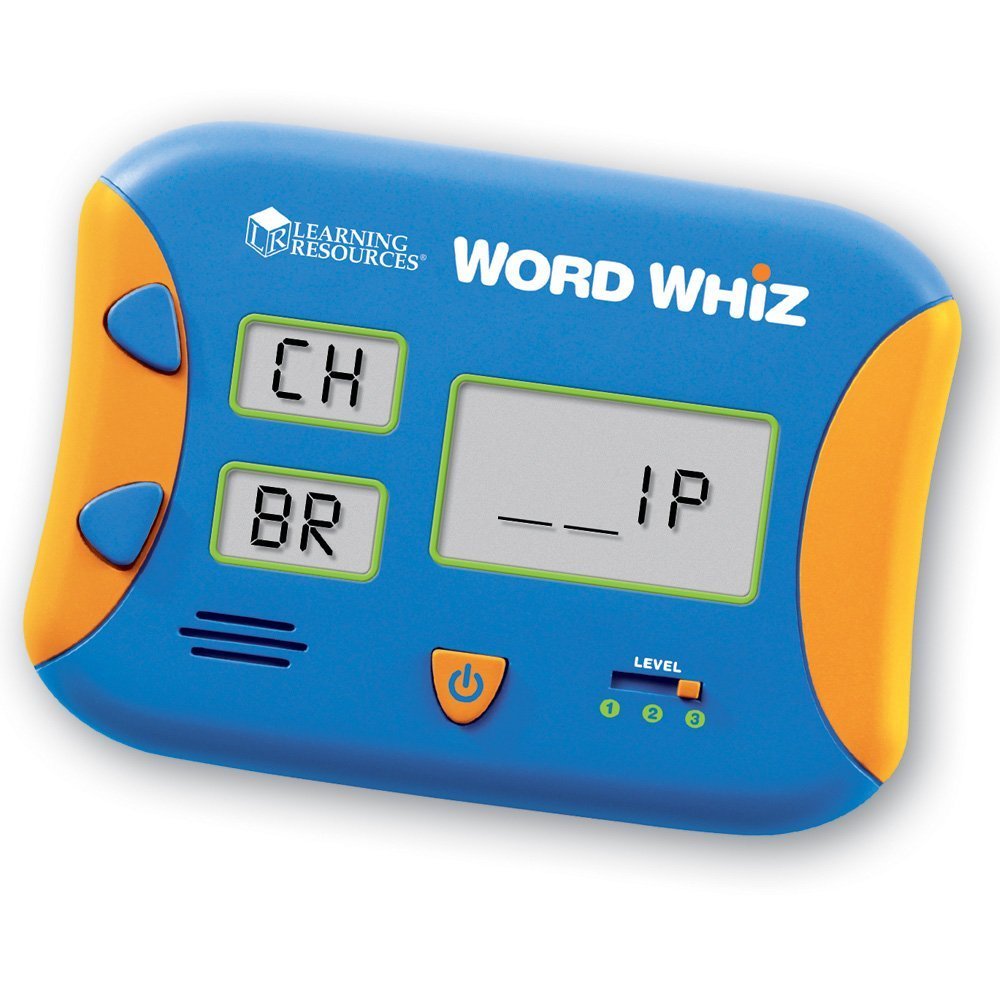
- Challenges children to build three-, four-, and five-letter words in 60 seconds.
- Practices combining beginning letters and blends with word families.
- Includes three skill levels and volume control.
Best For: Children ages 5 and up practicing how beginning letters and blends form short words.
Interactive Phonics Practice
Educational Insights Hot Dots Phonics Fun Set - Preschool and Kindergarten Flash Cards Compatible with Interactive Pen, Preschool Learning Activities, Learn to Read Activity for Kids Ages 3 and Up
Hot Dots Phonics Fun pairs reading practice with an answer-checking pen, so a child can work through activities and check responses independently. Its 80 double-sided cards provide 160 activities on letter sounds, vowels, blends, digraphs, and sight words.
The pen gives visual and audio feedback, and its sounds can be muted. This format suits families who want structured practice that feels more interactive than standard paper cards.
The pen needs two AAA batteries, which are not included, so have those ready before the first session.
Best For: Preschoolers and kindergarteners practicing phonics and early sight words with immediate feedback.
| Pros | Cons |
|---|---|
|
|
Choose this set when phonics and sight-word practice are the main goals and a child benefits from checking answers without an adult at every step. Its 160 activities cover more ground than a narrow letter-sound deck, while the pen adds a battery requirement and a device to keep track of.
Check that the learner is ready for preschool and kindergarten reading skills, and decide whether sound feedback or the mute option better suits your practice space.
Sight Words Through Active Play
Learning Resources Sight Word Stomp! - Alphabet Toys, Phonics Flash Cards, Classroom Board Games, ABC Homeschool, Reading Manipulatives, Gifts for Boys and Girls, Visual Vocabulary
Sight Word Stomp! turns word recognition into an active game with four dinosaur stompers and double-sided word cards. The 110 cards cover 220 sight words, color-coded from Pre-Primer through Third Grade, so the deck spans several reading stages.
The stomper pieces give children something to do with each word instead of relying only on quick flips and recall. This can suit a classroom center, homeschool session, or family game.
Consider the play space and the child’s reading level, since the cards cover a wide range rather than one narrowly defined stage.
Best For: Children ages 5 and up who learn well through movement and game-style sight-word practice.
| Pros | Cons |
|---|---|
|
|
This set suits children practicing sight words through a playful, hands-on format. Its cards cover color-coded difficulty levels from Pre-Primer through Third Grade, giving families or teachers room to adjust the challenge as reading skills develop.
The dinosaur stompers offer an alternative to conventional flashcard review. Check the color-coded level against the words the child is currently learning, and consider whether the stomping play style works in the intended classroom or home setting.
Large-Format Alphabet Mnemonics
hand2mind Alphabet Picture Mnemonic Cards, ABC Flashcards for Kids, Classroom Alphabet Cards, Early Learning Flash Cards, Letter Recognition, Montessori Alphabet Cards, Toddler Learning Activities
hand2mind’s alphabet cards connect lowercase letter shapes with familiar pictures to cue letter sounds. Each card has a picture mnemonic on the front and uppercase and lowercase letter practice on the reverse, allowing a lesson to move from sound recognition to letter forms.
The jumbo 6 by 8 inch format is designed to be visible in classroom displays, and the activity guide adds letter-recognition, phonics, and word-building ideas. This is a useful fit for guided early-literacy practice where seeing and discussing the card matters as much as memorizing it.
Best For: Early learners building letter recognition and sound associations with large, visual cards.
| Pros | Cons |
|---|---|
|
|
Choose these cards when a young learner is starting with letter names, forms, and sounds, especially in a setting where an adult can talk through the picture cues. The large format supports group viewing and display, but it is less compact than a small-hand deck.
Before buying, consider whether you want an alphabet-focused teaching aid or a broader vocabulary set; this pack is built around the 26 letters and their sound cues.
Self-Checking Number Activities
Educational Insights Hot Dots Numbers & Counting Set - Preschool Learning Activities, Interactive Math Flash Cards for Toddlers 3-5 Years, Kindergarten Classroom Must Haves & Homeschool Essentials
Hot Dots Numbers & Counting combines early math cards with a pen that checks answers through lights and sounds. Its 36 double-sided cards provide 72 activities covering number recognition, number words, counting, and sequencing.
Green and red lights show correct and incorrect answers, and the sounds can be muted. The portable handled case keeps the set together for home, preschool, or homeschool use.
The pen requires two AAA batteries, not included, so factor that into getting the set ready for an activity.
Best For: Children ages 3–5 practicing number recognition, counting, number words, and sequencing.
| Pros | Cons |
|---|---|
|
|
This set suits preschoolers who are beginning to connect written numbers with counting and number words. The answer-checking pen adds independent practice, while the case helps keep cards and pen together between sessions.
It focuses on early number concepts rather than arithmetic facts, so choose a different math deck if the child is ready for addition or multiplication drills. Check that the battery requirement and sound option work for your setup.
Four-Operation Math Review
Learning Resources Minute Math Electronic Flash Card - Classroom Must Haves, Homeschool Supplies, Math Manipulatives, Multiplication Chart, Educational Toys for Toddlers, Back to School
Minute Math puts four basic operations into a portable electronic flash-card format. It offers one-minute timed challenges and three progressive skill levels, with practice intended to span first grade through middle school.
That makes it a flexible option for short recall sessions at home, in a classroom learning station, or while traveling. A silent mode can disable sounds, which is useful when practice needs to stay quiet.
The record does not specify battery type or whether batteries are included, so check those details before planning regular use.
Best For: Learners who need timed or quiet practice across addition, subtraction, multiplication, and division.
| Pros | Cons |
|---|---|
|
|
Pick this option when the goal is broad arithmetic fact fluency in brief sessions, especially if timed practice is useful to the learner. Its operation range is broader than a multiplication-only device, though timed challenges may not suit every child’s pace.
Compare the three levels with the learner’s current math skills, and verify the power requirements before buying since those details are not provided here.
Large Bilingual Word Deck
Spanish & English Talking Flash Cards for Kids, 510 Sight Words Bilingual Flash Cards, ABC & Number Learning Toys, Montessori Toys, Speech Therapy Toys, Children's Sensory Preschool Birthday Gifts
This Spanish and English talking-card set combines 255 double-sided cards with a reader for 510 words across familiar themes such as animals, food, transport, people, and jobs. The reader speaks a word when a card is inserted and adds simulated sounds, while a song mode includes three children’s songs.
Its rechargeable battery is described as lasting up to 4.5 hours, and the screen-free format gives children audio and picture interaction without a tablet display. Check the language modes carefully: the mode instructions describe English and Spanish, while also referencing a rotating option.
Best For: Children learning everyday vocabulary in Spanish and English through picture-and-audio practice.
| Pros | Cons |
|---|---|
|
|
This is a fit for families seeking a substantial Spanish-English vocabulary set with spoken words and picture cues. Its 510 words and themed coverage offer more breadth than a smaller first-word pack, though it depends on a reader and correct card insertion.
Review the audio-mode instructions and confirm the intended language playback, then consider whether the child will use the device with an adult or independently.
Screen-Free English First Words
AHJ Talking Flash Cards with 420 Words, Pocket Speech Toddlers Learning Toy
AHJ’s talking flash cards pair a reader with 420 illustrated first words across letters, numbers, animals, food, clothing, jobs, and other everyday topics. Insert a card and the reader speaks its word; animal and vehicle cards also trigger related sounds.
The device has a repeat button, adjustable volume, and a rechargeable battery described as lasting up to 4.5 hours. It is a screen-free option for vocabulary practice, with the reader adding more interaction than a conventional picture deck.
Check the intended age and supervision needs for the child using it.
Best For: Toddlers practicing English vocabulary with audio and picture prompts at home or on the go.
| Pros | Cons |
|---|---|
|
|
Choose this set when English vocabulary is the priority and the child may respond to hearing each word alongside its image. Repeat and volume controls are practical for adjusting a session, while the broad mix of topics keeps the device useful beyond a single theme.
The record gives the word count but not the physical card count, so check the package contents if card quantity matters to your lesson plan.
Focused Multiplication Drills
Learning Resources Multiplication Master Electronic Flash Card, Math Skills, Varying Skill Levels, Ages 7+
Multiplication Master is a handheld electronic practice game focused on multiplication facts from 0 through 12. It offers two skill levels, vertical problem formatting, and both timed and untimed modes, with sound effects for feedback.
This narrower focus can be useful when multiplication needs concentrated repetition rather than a mixed-operation device. The unit measures 4.5 inches in diameter and requires three AAA batteries, which are not included.
Choose it when multiplication is the specific learning target and compare its two levels with the learner’s current fluency.
Best For: Learners ages 7 and up who want focused multiplication fact practice with timed or untimed modes.
| Pros | Cons |
|---|---|
|
|
This device is best for learners who are ready to drill multiplication specifically, rather than needing broad arithmetic coverage. The untimed mode allows practice without a clock, while timed mode can support short recall challenges.
It has fewer skill levels than the Minute Math option, so check whether its two-level progression matches the learner’s needs. Also account for the three AAA batteries and its compact round form.
Sound Sorting for Early Phonics
hand2mind Sort that Sound Activity Set, Phonemic Awareness, Ages 3+
Sort That Sound is a hands-on phonemic-awareness activity set with picture tiles, sound tiles, dividers, and sorting trays. Children match the sounds depicted in picture tiles with the correct sound tiles, practicing the sounds of English.
The set also includes double-sided sound tiles that can be used as phonics flash cards, giving it a second, simpler review format. This format suits guided sorting and sound categorization.
With its many pieces, the set suits a table or learning center, so consider storage and adult setup.
Best For: Preschool and elementary learners building phonemic awareness through sorting and picture matching.
| Pros | Cons |
|---|---|
|
|
Select this set when the learner needs to hear, identify, and sort speech sounds as part of early reading practice. It provides more structure and manipulatives than a standard phonics deck, and the sound tiles can double as simpler flash cards.
The tradeoff is a larger collection of pieces that needs setup and organization. Check that the learner is ready for English sound work and that you have a suitable surface for sorting activities.
Timed Word-Building Game
Learning Resources Word Whiz Electronic Flash Card, Letter Games for Kids, Word Recognition, Ages 5+
Word Whiz is an electronic handheld game built around forming three-, four-, and five-letter words in a 60-second round. It asks children to combine beginning letters and blends with word families, making it a word-building option rather than a simple recognition deck.
The device provides immediate feedback, volume control, and three skill levels. That structure can suit brief practice for children starting to connect sounds and spelling patterns.
Check whether the timed format fits the learner; the description centers the game on a one-minute challenge rather than untimed review.
Best For: Children ages 5 and up practicing how beginning letters and blends form short words.
| Pros | Cons |
|---|---|
|
|
Choose Word Whiz for a child who is beginning to build short words from letter patterns and can enjoy a timed game. The focus on blends and word families distinguishes it from phonics cards centered on letter sounds or sight words.
Since the central round lasts 60 seconds, consider whether a timed challenge motivates the learner. Check the power requirements before purchase, as battery details are not provided.
How to Choose Educational Flash Cards
How We Picked Educational Flash Cards
We prioritized products with a clear learning target and a practice format suited to that target. The selection spans early alphabet and phonics work, sight-word review, number skills, arithmetic fluency, word building, sound sorting, and spoken vocabulary.
That range helps families and educators choose by subject instead of treating every deck as interchangeable.
We also considered how practice happens. Some picks are conventional picture or word cards; others use an answer-checking pen, an electronic reader, sorting pieces, or game components.
Age guidance, skill coverage, and details such as battery needs or included components help clarify whether a product fits independent practice, adult-led instruction, or a learning center.
Comparing Educational Flash Cards by Learning Goal
For early reading, Hot Dots Phonics Fun combines letter sounds and sight words with self-checking feedback, while the hand2mind alphabet cards use picture mnemonics to connect lowercase forms with sounds. Sight Word Stomp! suits children who would rather turn review into active play.
Word Whiz shifts the emphasis to building short words from blends and word families.
Math options serve different stages and routines. Hot Dots Numbers & Counting covers preschool number concepts with an answer-checking pen.
Minute Math spans all four basic operations in a timed electronic format, while Multiplication Master concentrates on multiplication facts and offers both timed and untimed play. The format and target skill matter more than the electronic label: choose the one aligned with what the learner is practicing now.
The hand2mind sound-sorting set is a guided activity with many pieces, useful when matching sounds and pictures is the goal. Talking cards add spoken vocabulary and sound effects; the selected sets focus on English first words or Spanish-English vocabulary.
Their reader, charging needs, and language-mode controls are practical considerations.
| Product | Standout features | Best for |
|---|---|---|
| Educational Insights Hot Dots Phonics FunCheck Price |
| Preschoolers and kindergarteners practicing phonics and early sight words with immediate feedback. |
| Learning Resources Sight Word Stomp!Check Price |
| Children ages 5 and up who learn well through movement and game-style sight-word practice. |
| hand2mind Alphabet Picture Mnemonic CardsCheck Price |
| Early learners building letter recognition and sound associations with large, visual cards. |
| Educational Insights Hot Dots Numbers & CountingCheck Price |
| Children ages 3–5 practicing number recognition, counting, number words, and sequencing. |
| Learning Resources Minute Math Electronic Flash CardCheck Price |
| Learners who need timed or quiet practice across addition, subtraction, multiplication, and division. |
| Spanish & English Talking Flash Cards, 510 WordsCheck Price |
| Children learning everyday vocabulary in Spanish and English through picture-and-audio practice. |
| AHJ Talking Flash Cards with 420 WordsCheck Price |
| Toddlers practicing English vocabulary with audio and picture prompts at home or on the go. |
| Learning Resources Multiplication MasterCheck Price |
| Learners ages 7 and up who want focused multiplication fact practice with timed or untimed modes. |
| hand2mind Sort That Sound Activity SetCheck Price |
| Preschool and elementary learners building phonemic awareness through sorting and picture matching. |
| Learning Resources Word WhizCheck Price |
| Children ages 5 and up practicing how beginning letters and blends form short words. |
Choosing Cards for Home, Class, or Independent Practice
For group instruction, larger cards such as the hand2mind alphabet set are easier to show, while Hot Dots pens can support one learner at a time as they check answers. At home, a parent may prefer a compact deck or a game that keeps practice conversational.
For centers, consider setup time and storage: a sorting kit has more pieces to manage than a small card pack.
Check age and subject fit before counting the number of cards. A high word count does not necessarily mean a better match if a child needs letter recognition, number sequencing, or targeted multiplication.
For electronic sets, note whether the pen or reader needs batteries or recharging, and whether sound can be muted or adjusted. For bilingual talking cards, confirm the languages and playback modes match the family’s goals.
Who Should Buy Which Educational Flash Cards?
Choose Hot Dots Phonics Fun for self-paced early reading practice, hand2mind Alphabet Picture Mnemonic Cards for visual letter-sound cues, and Sight Word Stomp! for active sight-word review. Word Whiz is the focused pick for children ready to build short words from patterns.
For early number concepts, Hot Dots Numbers & Counting adds answer feedback, while Minute Math suits learners practicing several operations and Multiplication Master keeps attention on multiplication. Choose Sort That Sound for hands-on phonemic sorting.
For spoken vocabulary, the English AHJ cards offer first-word breadth, and the Spanish-English set adds bilingual audio practice.