Homeschooling fills a home with plans, supplies, books, and small discoveries. These gift ideas pair practical tools for a parent’s routine with learning activities to share with children.
The selection ranges from everyday desk helpers to engaging science and math resources, with options for different interests and budgets.
13 Gift Ideas for Homeschool Parents
Clever Fox Planner PRO Light, Undated Weekly Planner

- Undated pages let the recipient choose when to begin.
- Monthly, weekly, and daily planning supports a layered routine.
- A step-by-step user guide and planning stickers come with the planner.
Best Gift For: A homeschool parent who wants to organize goals and weekly lessons.

Phomemo D30 Bluetooth Mini Label Maker
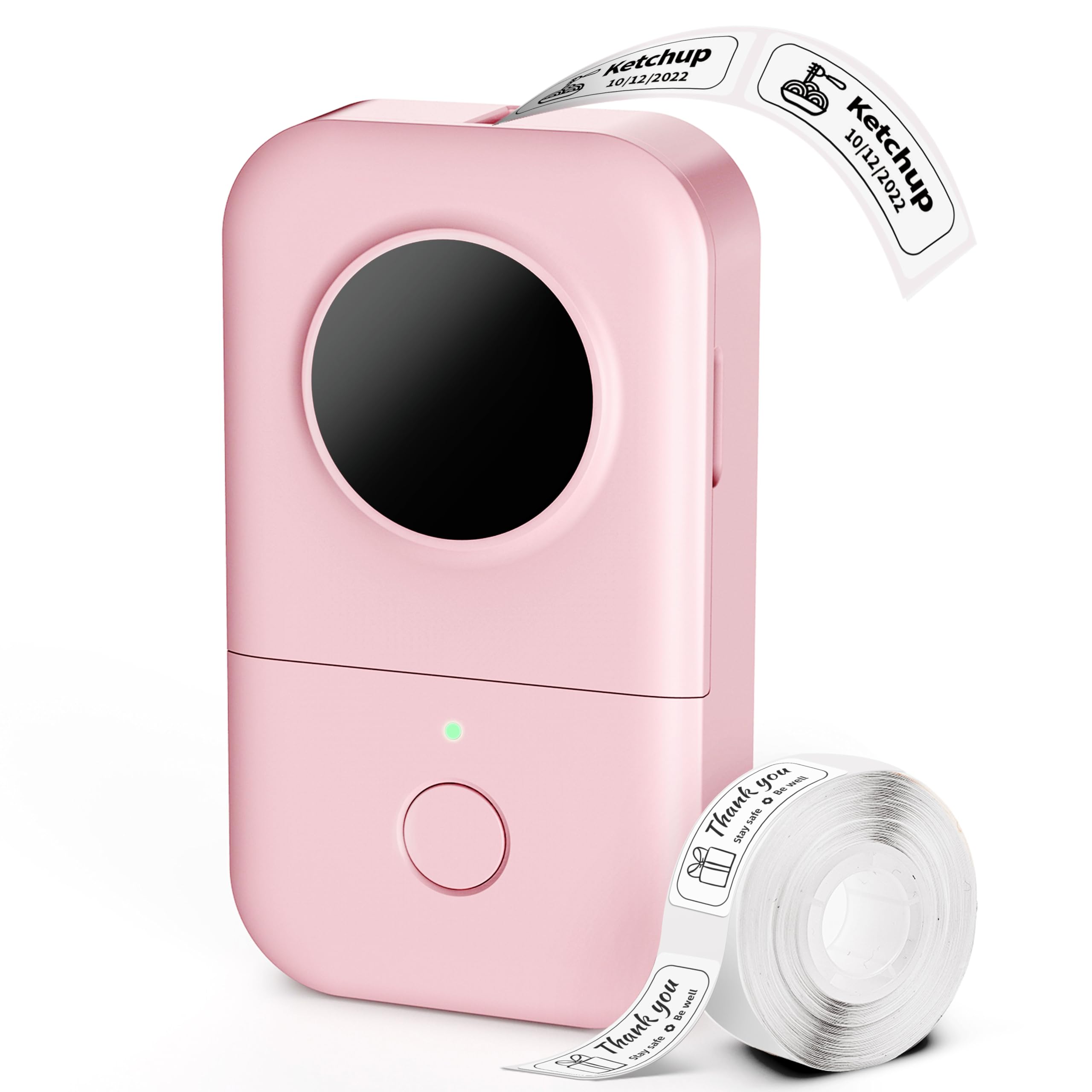
- The mobile app supports templates, icons, borders, and multiple languages.
- It can print labels from continuous and gap tapes.
- The maker connects wirelessly to mobile devices for portable printing.
Best Gift For: A homeschool parent organizing classroom supplies, storage, or student belongings.
VASAGLE CUSTOS 5-Tier Bookcase
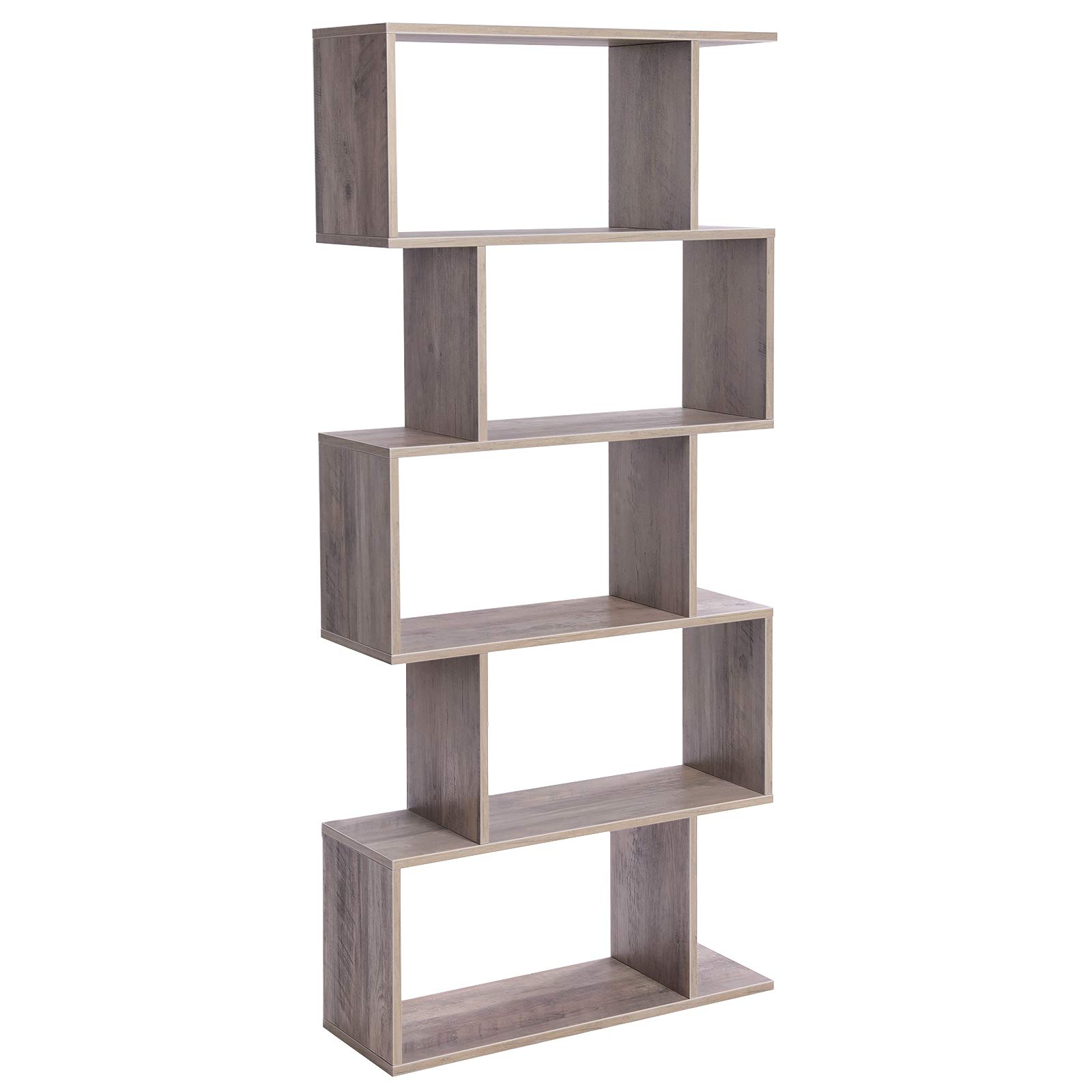
- Open shelves offer a place to display books and supplies.
- Two anchoring devices are included to keep the shelf in place.
- Labeled parts and clear instructions support assembly.
Best Gift For: A homeschool parent who needs open storage for books and learning materials.
SKYDUE Rotating Desk Organizer with 5 Slots
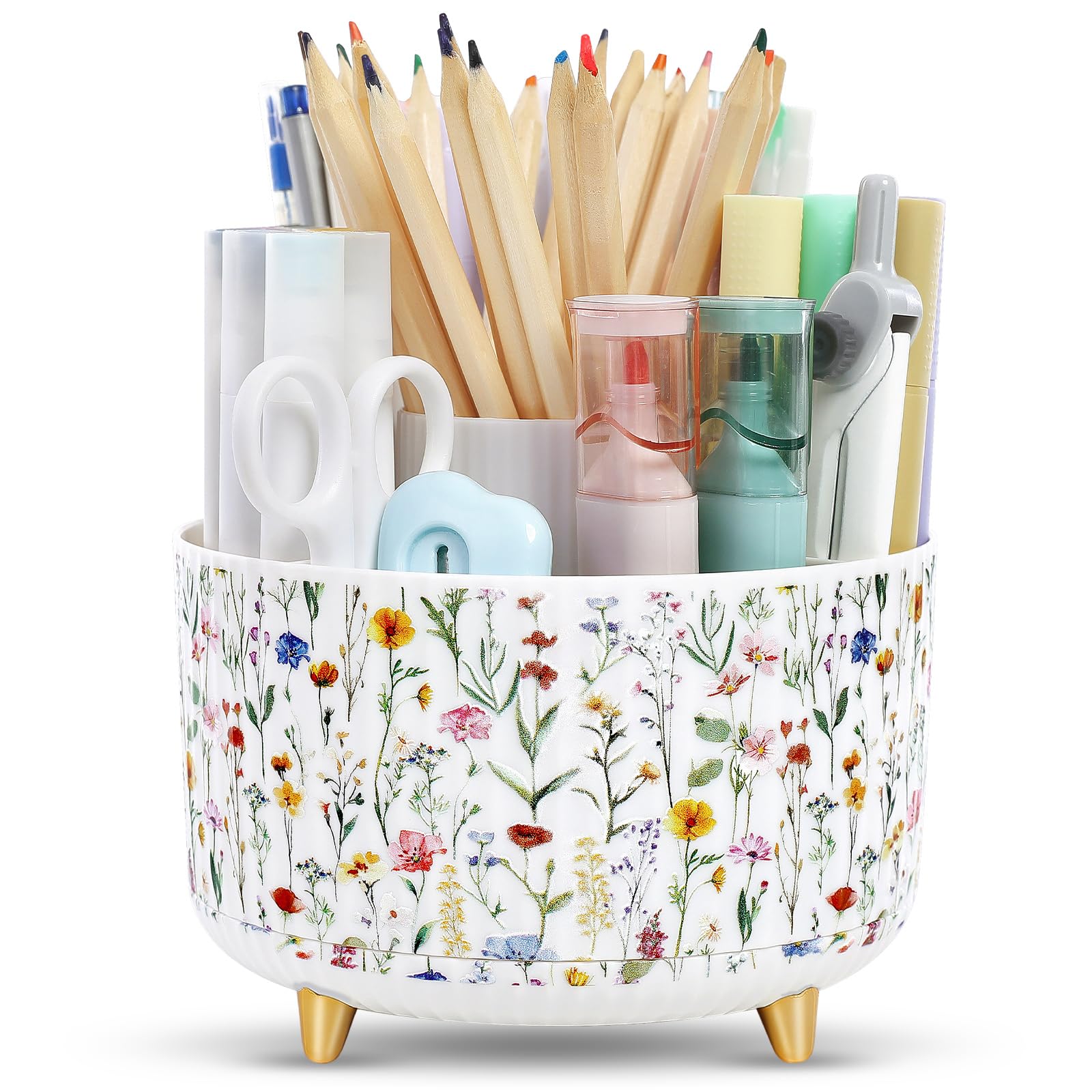
- Five compartments store supplies without using much desktop space.
- The holder rotates to make writing tools easier to reach.
- It can also hold art supplies or markers.
Best Gift For: A homeschool parent who wants writing tools and small supplies within reach.
PILOT G2 Fine Point Green Gel Pens, Pack of 12
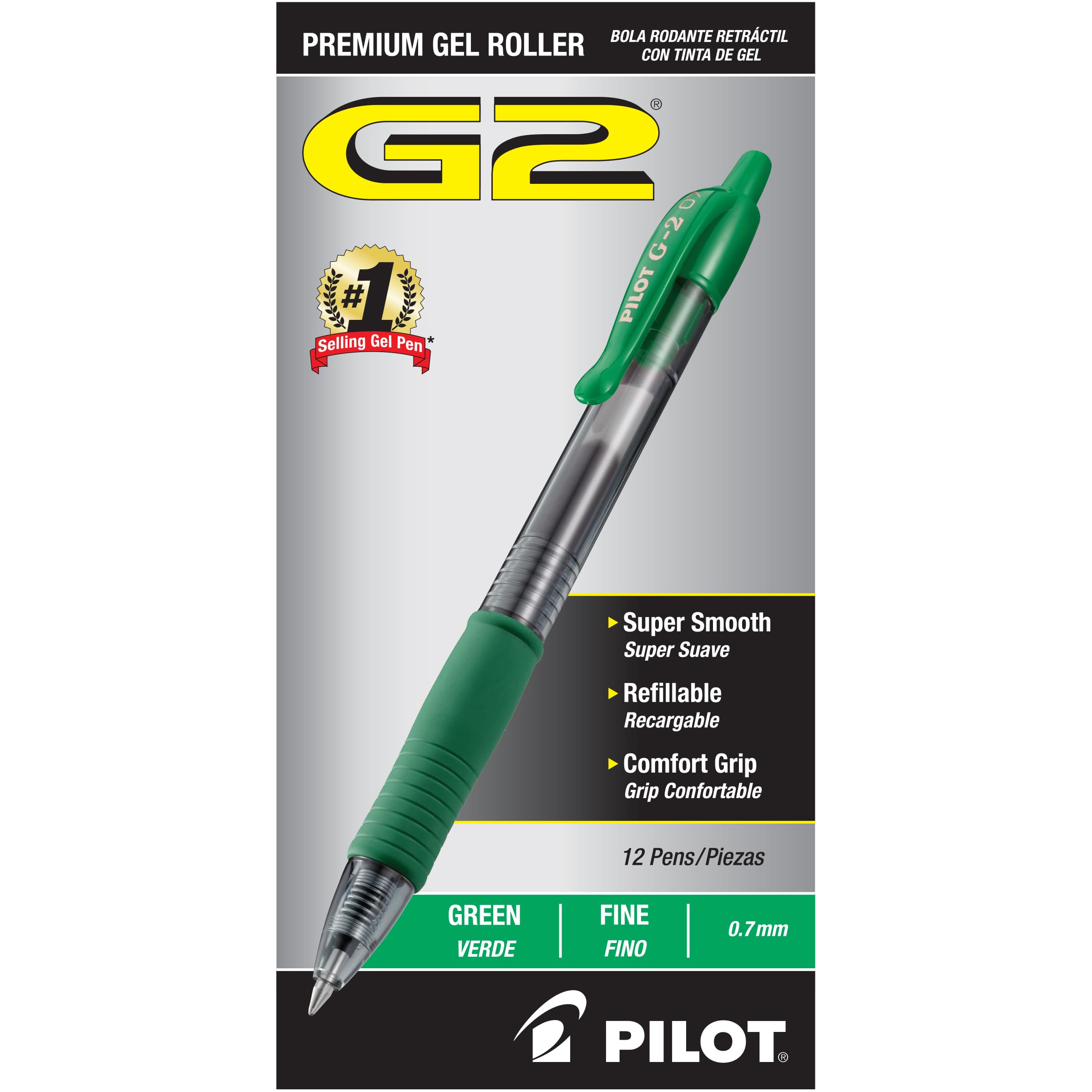
- The quick-drying ink helps prevent smudges and smears.
- A contoured rubber grip supports longer writing sessions.
- The pens can be refilled with Pilot G2 refills, sold separately.
Best Gift For: A homeschool parent who uses green ink for planning, notes, or schoolwork.
Whitelines Graph Ruled Spiral Notebooks, 3-Pack

- Each notebook has 70 sheets of graph paper.
- The app removes the paper background from captured notes or drawings.
- The light gray paper is designed to be less tiring on the eyes than white paper.
Best Gift For: A homeschool parent who writes lessons or drawings and may want to share them digitally.
Learning Resources Minute Math Electronic Flash Card

- Practice covers addition, subtraction, multiplication, and division.
- One-minute challenges make practice feel game-like.
- Three difficulty levels span learners from first grade through middle school.
Best Gift For: A homeschool parent seeking a portable way to practice arithmetic with a student.
TOMLOV DM9B 7-Inch Digital Microscope, 16GB
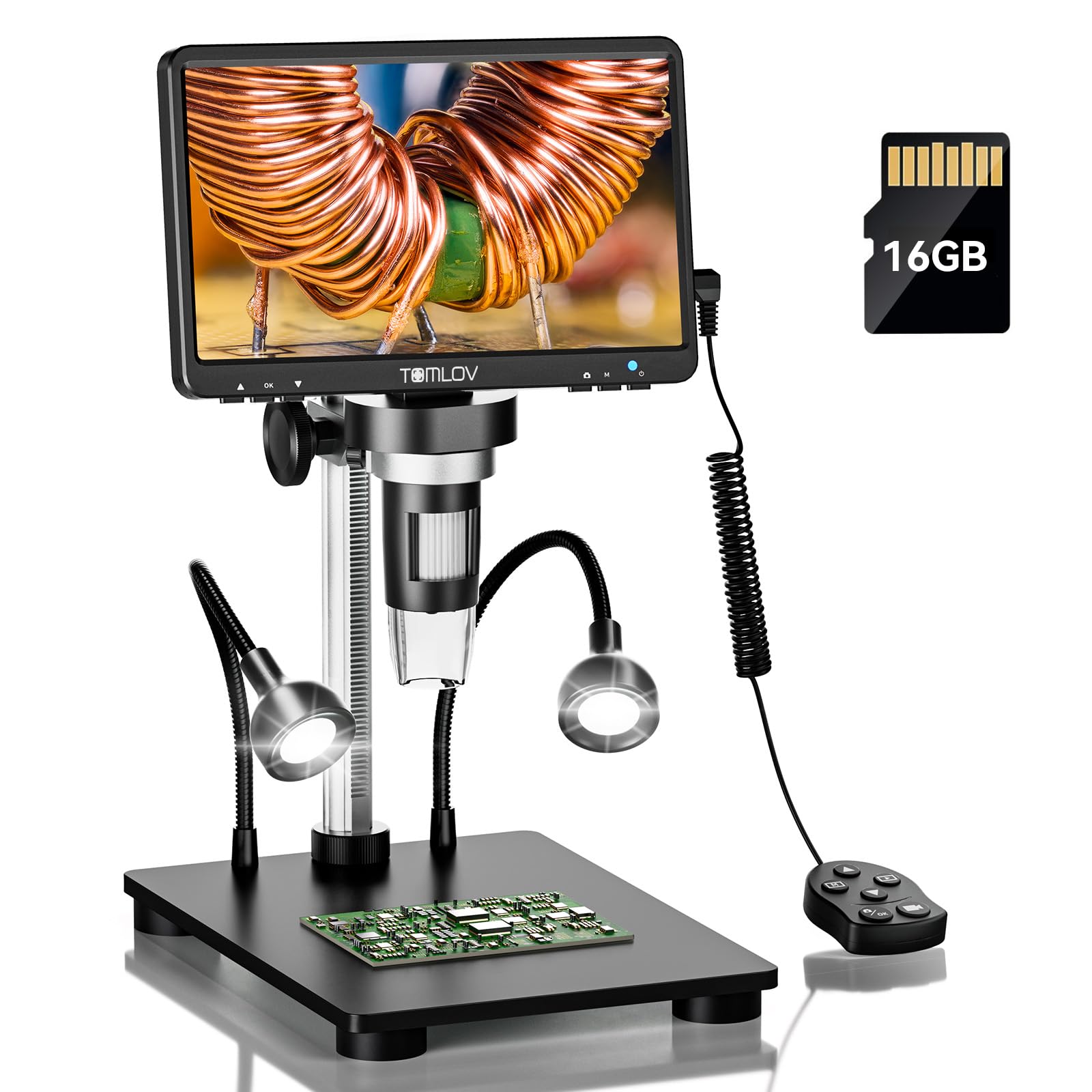
- The screen rotates to improve viewing ergonomics.
- The microscope can connect to a compatible Windows or macOS computer for a larger view.
- An included Micro SD card stores photos and videos.
Best Gift For: A homeschool parent sharing close-up observations of coins, rocks, stamps, or electronics.
Light-Up Crystal Growing Kit for Kids

- The kit grows red, blue, and clear crystals for display.
- An LED display lights crystals after they have grown.
- An illustrated 12-page guide explains how crystals form.
Best Gift For: A homeschool parent looking for a hands-on crystal activity to do with a child.
burgkidz STEM Tube Building Set, 188 Pcs
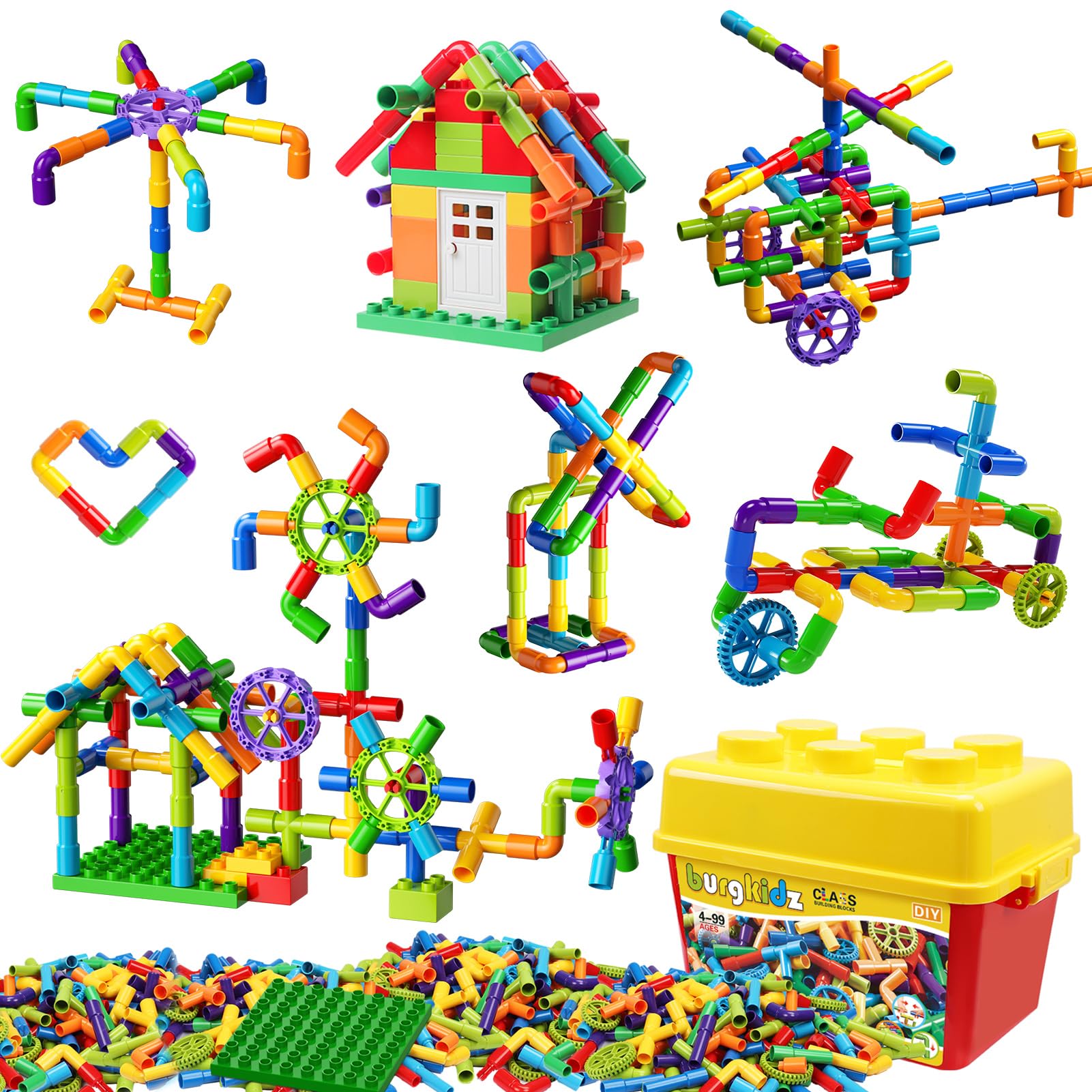
- The pieces can be combined with other building blocks and a baseplate.
- The set supports building geometric shapes and other creations.
- A handled storage box makes the set easier to carry and put away.
Best Gift For: A homeschool parent seeking a construction activity that encourages spatial thinking and creativity.
The Sneaky, Snacky Squirrel Game
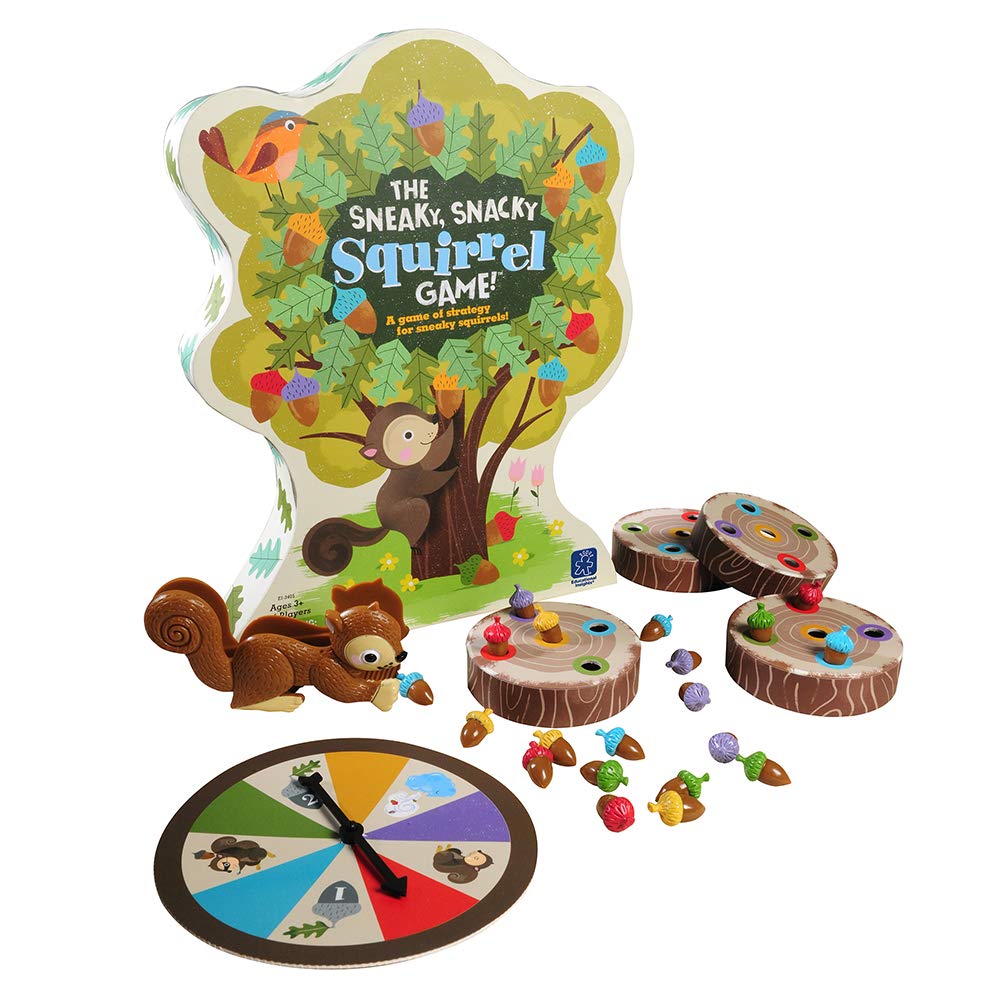
- Players use a squirrel squeezer to pick up matching acorns.
- The game includes 20 acorns in five colors and four logs.
- Its tree-shaped board doubles as the box for setup and cleanup.
Best Gift For: A homeschool parent who wants a color-matching game for preschool-age play.
Glocusent Bendable Neck Reading Light

- Three color modes and six brightness settings are adjustable.
- The flexible arms let the reader adjust the light angle.
- The narrow beam is designed to light a focused area without disturbing a sleeping partner.
Best Gift For: A homeschool parent who reads in bed or wants hands-free light for evening reading.
Montana West Mini Backpack Purse for Women
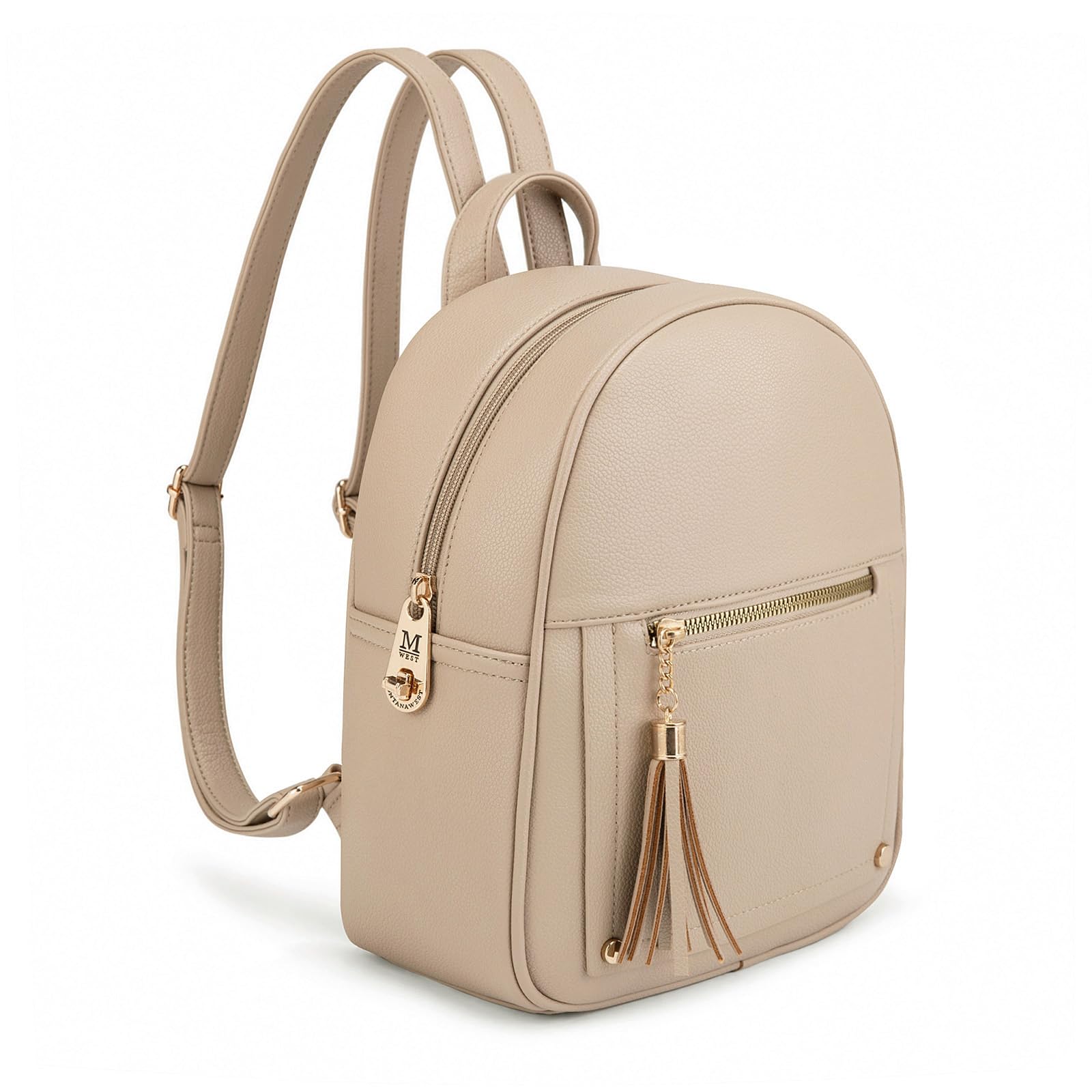
- Four main compartments and a side pocket help sort essentials.
- A rotating lock secures the backpack purse.
- The compact bag is sized for daily essentials such as a phone, wallet, and keys.
Best Gift For: A homeschool parent who wants to keep everyday essentials sorted for campus or family outings.
Choosing gifts for homeschool parents around the daily rhythm
When choosing gifts for homeschool parents, start with the part of the day that feels crowded or repetitive. A parent juggling lesson plans may welcome a place to map the week, while someone sharing a table with children may value a tidier supply area.
Ask what would make tomorrow’s routine easier, rather than assuming every family needs the same classroom setup.
Consider how the family actually learns. A household with younger children may enjoy short, tactile activities that invite conversation; an older student may benefit from a tool for independent practice or closer observation.
A useful present should match the student’s stage and the parent’s available time, so the activity feels easy to bring into an ordinary week.
For a family that moves between rooms or takes lessons outdoors, compact tools can be easier to use than large equipment. If books and papers have taken over a corner, a more substantial storage choice may be welcome.
Think about the available space and whether the gift can serve more than one child or subject.
Balance usefulness, budget, and space
Set a comfortable spending range before browsing. Small desk supplies and learning activities can be thoughtful without becoming a major purchase; larger furniture or electronic learning tools call for more planning.
Check actual prices before buying, since they can change, and consider whether an additional accessory or refill may be needed for the gift to be useful.
Room matters as much as price. A large shelf can help when books and manipulatives need a home, but it is a poor fit for a crowded shared room.
For a compact desk, choose a gift that keeps tools together or supports work already happening there. Check dimensions and the intended placement before ordering.
Think about how long the gift will remain useful. A planner or notebook can support many subjects, while a science activity may create a memorable project for a particular learner.
The right balance depends on whether the recipient prefers reusable everyday tools, a shared family activity, or something that brings a little novelty to lessons.
Personal touches for gifts for homeschool parents
For gifts for homeschool parents, a small personal touch can connect the item to the recipient’s routine. Add a note naming a subject the child loves, or pair a planning tool with a handwritten offer to take over a household task during lesson time.
Keep the message warm and specific, without turning the present into an expectation to teach more.
A practical gift can feel personal when it reflects how the household uses its space. If the family has a favorite reading nook, include a bookmark; if science is a shared interest, write a prompt for something to observe together.
These additions need not be expensive. They show that the choice was made with their real day in mind.
Presentation can also make setup easier. Gather small pieces in a reusable bag or box, wrap a hands-on activity with a simple invitation to explore it together, and include a gift receipt when appropriate.
If the item has a learning curve, a brief friendly note can point to the first easy step without offering unsolicited instruction.
Make the gift easy to use
A considerate gift respects the parent’s time. For an activity, think about whether the family can begin with what they already have and whether the child can participate at their own pace.
Avoid adding a complicated schedule or framing the gift as a remedy for a perceived problem. The aim is to offer an option they can welcome into their routine.
Check compatibility and current product details before purchase, especially when an item uses an app, a device, refills, or a particular kind of paper. Confirm dimensions for furniture and organizers, and make sure the intended recipient has a suitable place to use or store the gift.
A quick check can prevent a thoughtful choice from becoming an errand.
If you are unsure, choose flexibility: a broadly useful planning or writing aid, a gift receipt, or a shared outing connected to the family’s interests. For younger learners, ask a parent which activities fit their current stage.
A little discretion helps the gift support the household without making assumptions about its curriculum.
Last-minute gifts for homeschool parents
For last-minute gifts for homeschool parents, focus on what can be selected confidently and presented thoughtfully. A digital gift card to a familiar educational or office-supply shop lets the recipient choose what fits.
If buying a physical item, check delivery estimates at checkout and allow time for wrapping or a note; timing varies by seller and location.
A local bookstore or learning shop can be a practical stop when a shipped order may arrive too late. Ask whether the recipient would prefer a particular subject, age range, or supply before choosing.
If asking would spoil the surprise, a flexible option and a warm card are often safer than guessing about a specific need.
Keep the final gesture simple. Explain why the gift reminded you of the family, and let them decide when or whether to use it.
Homeschooling routines change with seasons, student interests, and family commitments; a useful present should leave room for that change and feel like encouragement rather than another assignment.