For kids who love asking how things work, a gift can turn a quiet afternoon into an experiment, a building challenge, or a new discovery.
These seven ideas include hands-on science activities and learning tools for different ages and interests. Choose with the child’s stage, attention span, and favorite ways to explore in mind.
7 Christmas Gift Ideas for Kids Who Love Science
Light-up Crystal Growing Kit

- The activity follows crystals as they grow day by day.
- An illustrated booklet explains how crystals are formed.
- The finished crystals can sit on a light-up display.
Best Gift For: Young experimenters who enjoy watching crystals grow and displaying the results.

GeoSafari My First Microscope
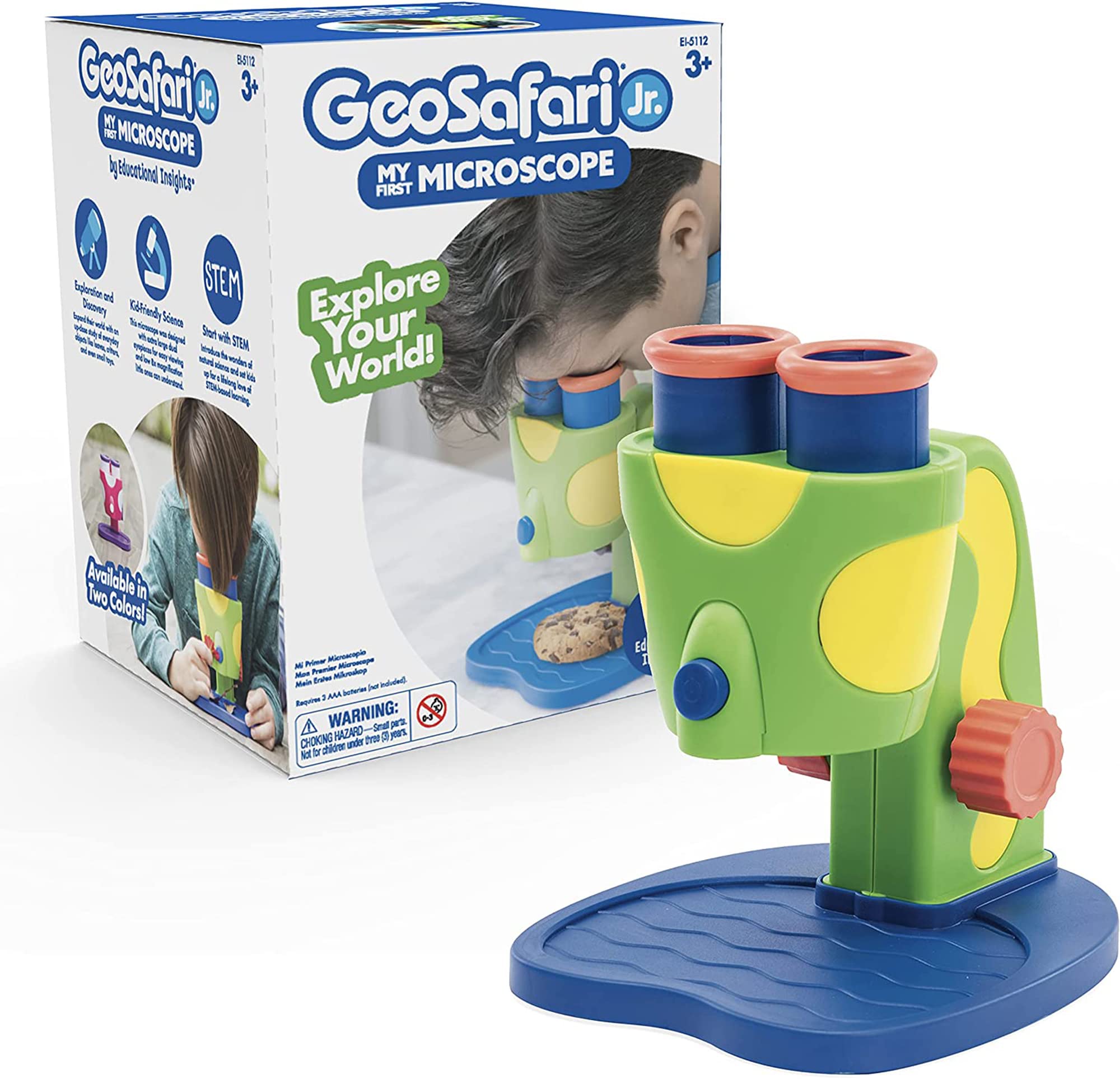
- The set comes with prepared slides for exploring.
- Two large eyepieces let children keep both eyes open.
- An overhead LED helps illuminate the sample tray.
Best Gift For: Young children curious about looking closely at prepared samples.
My First Dinosaurs Magnetic Building Set
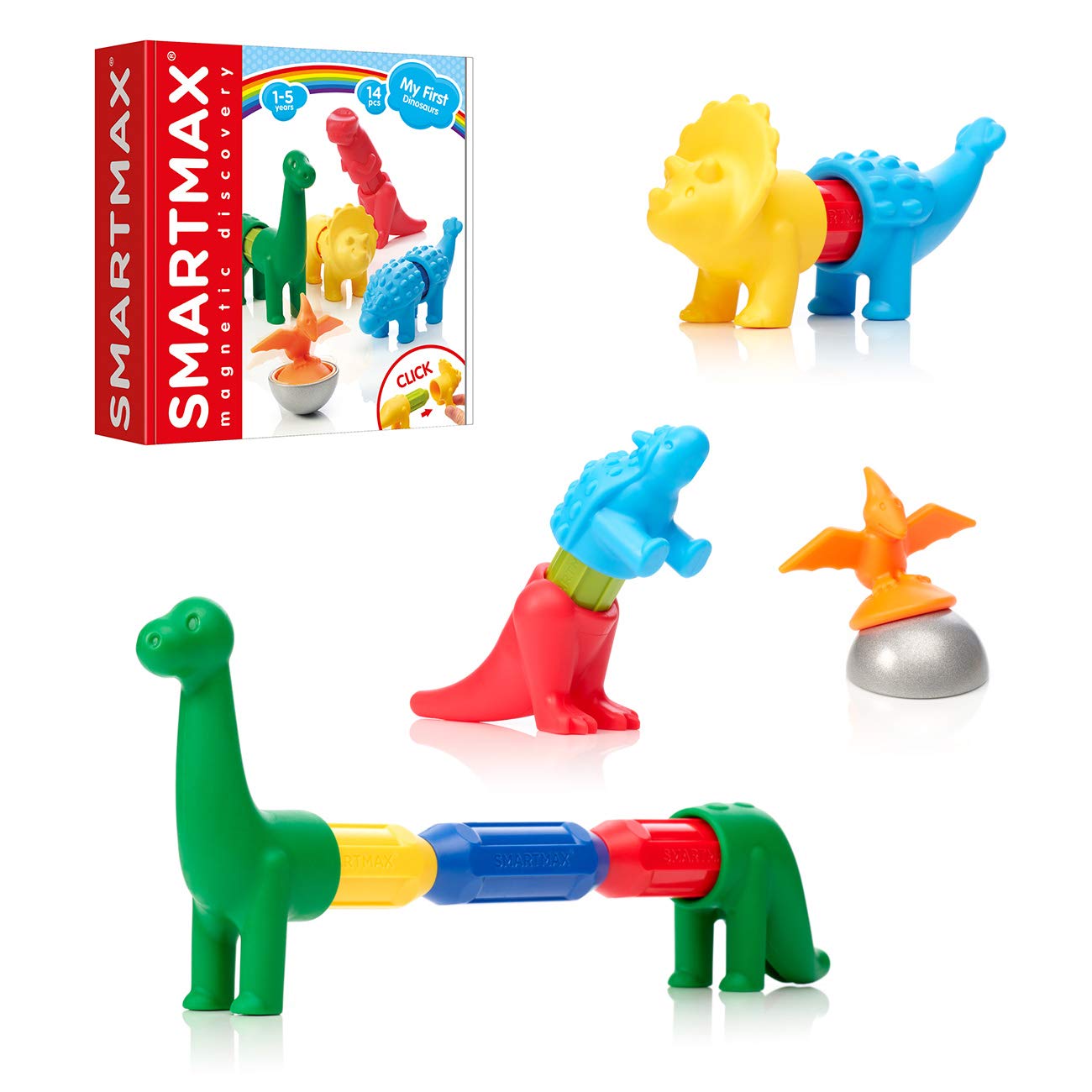
- Children can build several dinosaur shapes or mix pieces creatively.
- Connecting magnetic pieces introduces early magnetism.
- The set includes colorful pieces sized for little hands.
Best Gift For: Dinosaur fans ready to build and mix their own creations.
1-2-3 Build It Robot Factory

- Kids can create their own imaginative robots.
- The activity encourages early engineering and critical thinking.
- The pieces are designed for little hands to handle.
Best Gift For: Toddlers who enjoy making robot creations and practicing early engineering.
Super Sorting Pie
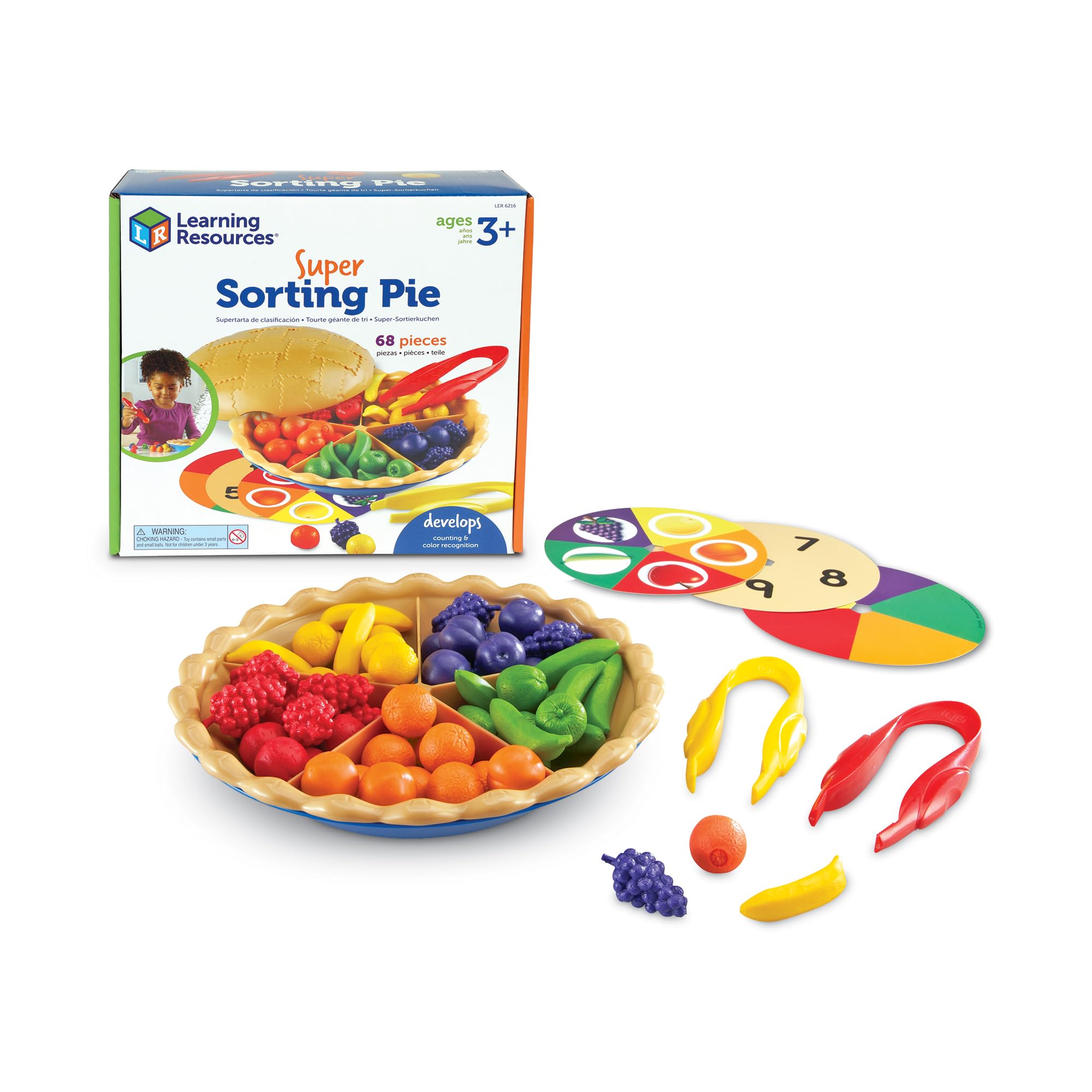
- The fruit pie activities practice counting, sorting, and colors.
- Jumbo tweezers give small hands a chance to practice coordination.
- The pieces store inside the pie for cleanup.
Best Gift For: Preschoolers who enjoy sorting, counting, and learning through play.
Whitelines Graph Notebooks, 3-Pack

- The pack includes graph notebooks for notes and drawings.
- The app can remove the page background from writing or drawings.
- The pages use a light gray tone.
Best Gift For: Kids who like recording observations, sketching diagrams, or sharing notes.
Minute Math Electronic Flash Card

- Practice covers addition, subtraction, multiplication, and division.
- One-minute challenges make practice a timed game.
- Sounds can be turned off for quiet practice.
Best Gift For: Students who like short math challenges at home or while traveling.
1. Match Christmas gifts for kids who love science to their curiosity
For Christmas gifts for kids who love science, start with what the child already wants to investigate. A child fascinated by tiny details may enjoy looking closely at prepared samples, while a youngster who likes watching changes unfold may prefer a crystal growing activity.
Age and independence matter as much as the subject. A preschooler may get more from sorting, handling, and simple construction than from an activity that depends on following a long sequence.
Check the age guidance and think about whether an adult will be joining in.
Consider where the gift will be used. A tabletop experiment or building set suits a shared play space, while a compact practice activity can occupy a child during a quiet stretch.
Pick something the family can comfortably store and return to between uses.
2. Balance the budget with how the gift will be used
A smaller learning game or notebook can make a thoughtful gift when you want to add something useful without planning a large activity. A more involved kit may suit a child who is ready to spend time observing, building, or recording what happens.
Think about what may be needed alongside the gift. Some activities are ready for hands-on play, while other products may need batteries or a compatible device for their digital features.
Check the current product details before deciding what belongs in the package.
Compare the likely use rather than the number of pieces alone. A child who returns to a favorite activity may appreciate a set that works with other pieces they already own; one who likes variety may get more from a gift that offers several kinds of practice.
3. Make Christmas gifts for kids who love science feel personal
Christmas gifts for kids who love science become more memorable when the presentation reflects the child’s current curiosity. Pair a microscope gift with a small invitation to look closely at everyday objects, or wrap a building activity with a note asking what kind of creation they want to try first.
A simple science notebook can give a child a place to draw what they notice, write questions, and keep track of ideas. Add a handwritten prompt such as “What would you like to find out?” so the gift feels connected to their own interests without prescribing a project.
For younger children, include an adult’s promise to sit down and explore together. For older kids, leave space for them to choose how to use the gift.
That small gesture respects their independence and gives the present a welcoming start.
4. Choose a gift that fits real routines
A gift is easier to enjoy when it suits the household’s usual rhythm. If family time is busy, a toy that can be picked up in short sessions may be more practical than an activity that calls for a longer stretch of attention.
Think about the child’s patience and the space available.
For a shared present, consider whether siblings or friends can join in. Some learning toys naturally invite turn-taking or collaboration, while an individual notebook or practice tool may suit a child who prefers quiet concentration.
Either can be a good fit when it matches how they like to play.
Before buying, check current product details, dimensions, and compatibility. This is especially helpful for gifts involving batteries, apps, or sets intended to connect with other products.
A quick check can help you avoid a present that needs an unexpected accessory.
5. Plan ahead and keep a last-minute gift thoughtful
For a last-minute choice, narrow the options by age, interest, and how soon the child can use the gift. A familiar subject, such as animals, building, or math practice, can guide you toward a present that feels considered even when shopping time is short.
Check delivery estimates at checkout rather than assuming a gift will arrive by a particular date. If timing is tight, consider a printable note describing the present and give the child something small to open while they wait, provided that suits your plans.
Keep the final decision practical: confirm the selected version, any needed accessories, and whether the gift fits your budget. A brief personal message about why you chose it can make even a straightforward educational toy feel special and connected to the child.