For someone who is always asking how things work, a useful birthday gift can turn curiosity into a shared activity or a new learning habit.
These ten ideas span playful projects, study helpers, and tools for exploring small details, with options for younger learners and adults alike.
10 Birthday Gift Ideas for Curious Learners
Rich Dad CASHFLOW Educational Board Game
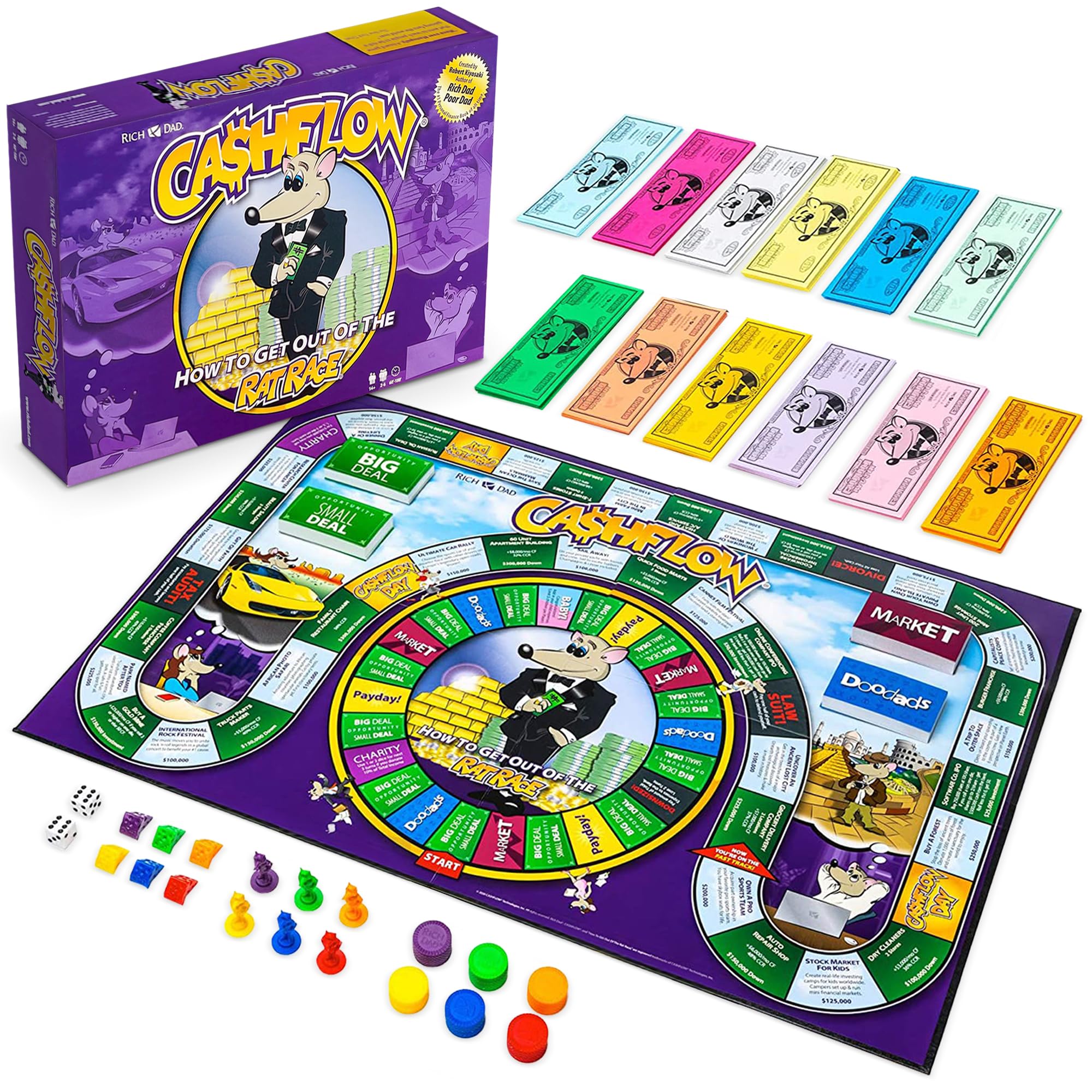
- Turns topics like stocks and saving money into a board-game activity.
- Designed for collaborative family play around investing and business topics.
- Recommended for ages 14 and up.
Best Gift For: A family or teen ready to explore money topics through a collaborative game.

TOMLOV DM9B 7-Inch Digital Microscope, 16GB
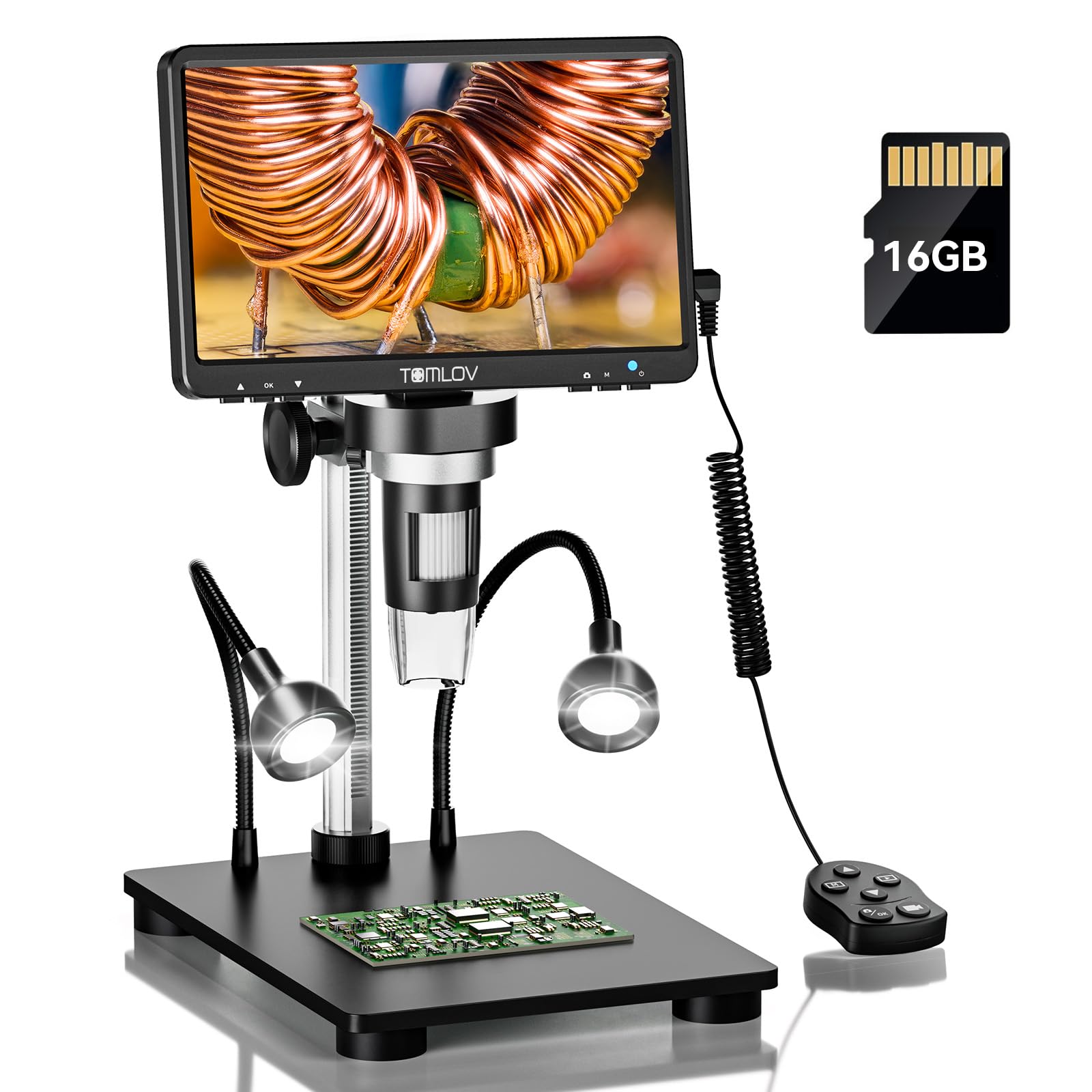
- Magnification range supports close observation of small details.
- The 90-degree rotatable screen is designed to improve ergonomics and reduce eye and neck strain.
- Includes a Micro SD card for storing photos and videos.
Best Gift For: An adult or student who enjoys examining coins, stamps, rocks, or small electronic work.
Light-Up Crystal Growing Kit for Kids

- Grow red, blue, and clear crystals with the kit.
- The included light-up display gives finished crystals a place to shine.
- An illustrated guide explains how crystals form.
Best Gift For: A child interested in a hands-on introduction to crystals and science.
Learning Resources 1-2-3 Build It Robot Factory

- Build-it-yourself play encourages children to make their own robot creations.
- The activity supports early engineering and critical thinking skills.
- Easy-to-handle pieces help develop fine motor skills.
Best Gift For: A young child who likes assembling imaginative creations and trying early engineering activities.
Learning Resources Minute Math Electronic Flash Card

- Practice addition, subtraction, multiplication, and division.
- Timed challenges make practice feel like a quick game.
- A silent mode suits quiet study settings.
Best Gift For: A student practicing arithmetic at home, in a classroom, or while waiting on the go.
Whitelines Graph Notebooks, 3-Pack

- The pack contains three graph notebooks.
- The paper has a light gray tint.
- The app can remove the page background from notes or drawings.
Best Gift For: A learner who likes writing, drawing, and keeping class or project notes organized.
Glocusent Rechargeable Neck Reading Light

- Choose from three color temperature modes, each with three brightness levels.
- The bendable arms can be adjusted to a comfortable angle.
- A narrow beam is designed to focus light while being dim enough not to disturb a sleeping partner.
Best Gift For: A book lover who reads in bed or wants hands-free light for close reading.
PILOT G2 Fine Point Gel Pens, 12-Pack
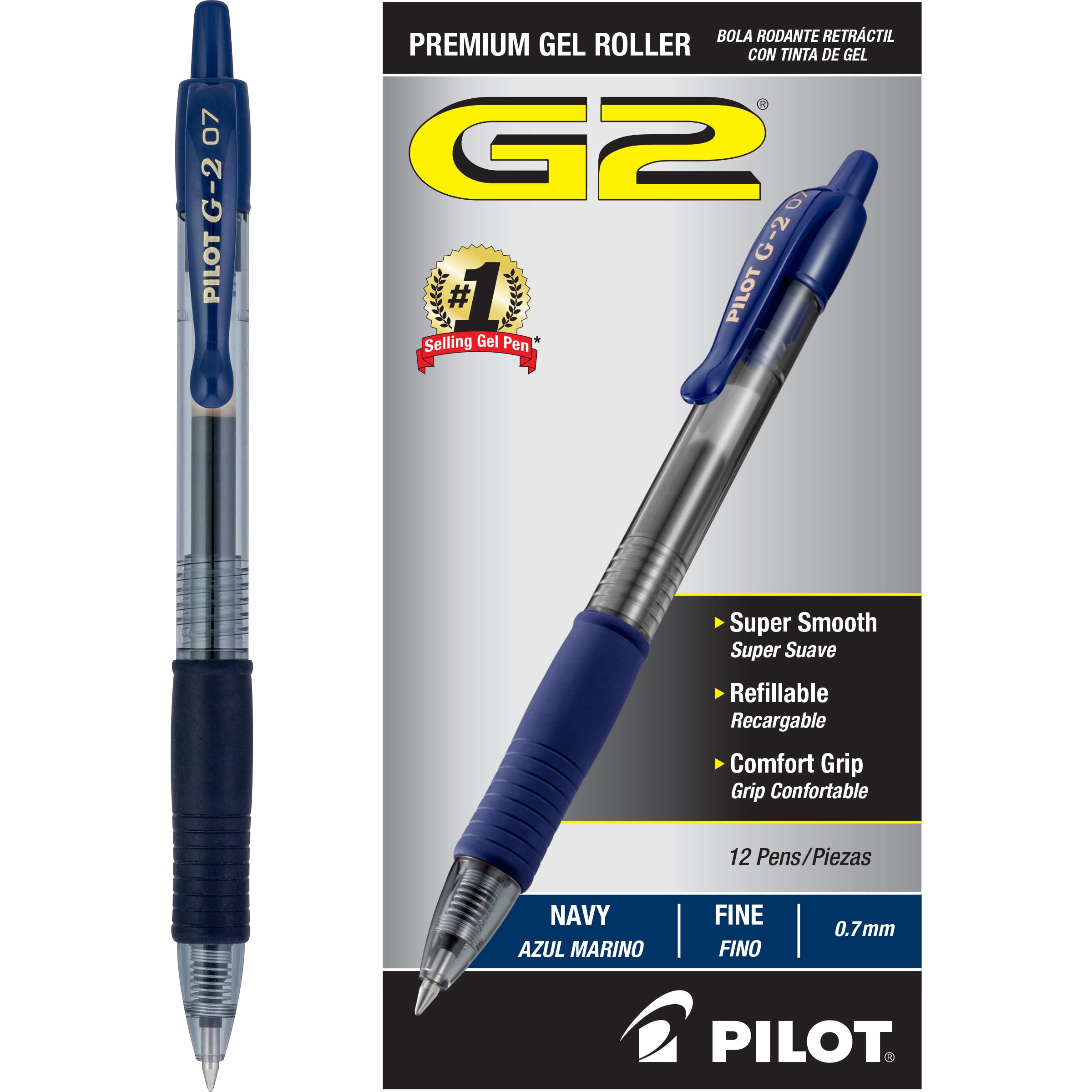
- The pack includes twelve fine point pens.
- The contoured rubber grip offers support during longer writing sessions.
- The pens can be refilled with Pilot G2 refills, sold separately.
Best Gift For: A student, teacher, or lifelong learner who writes notes and plans by hand.
SKYDUE Rotating Desk Organizer
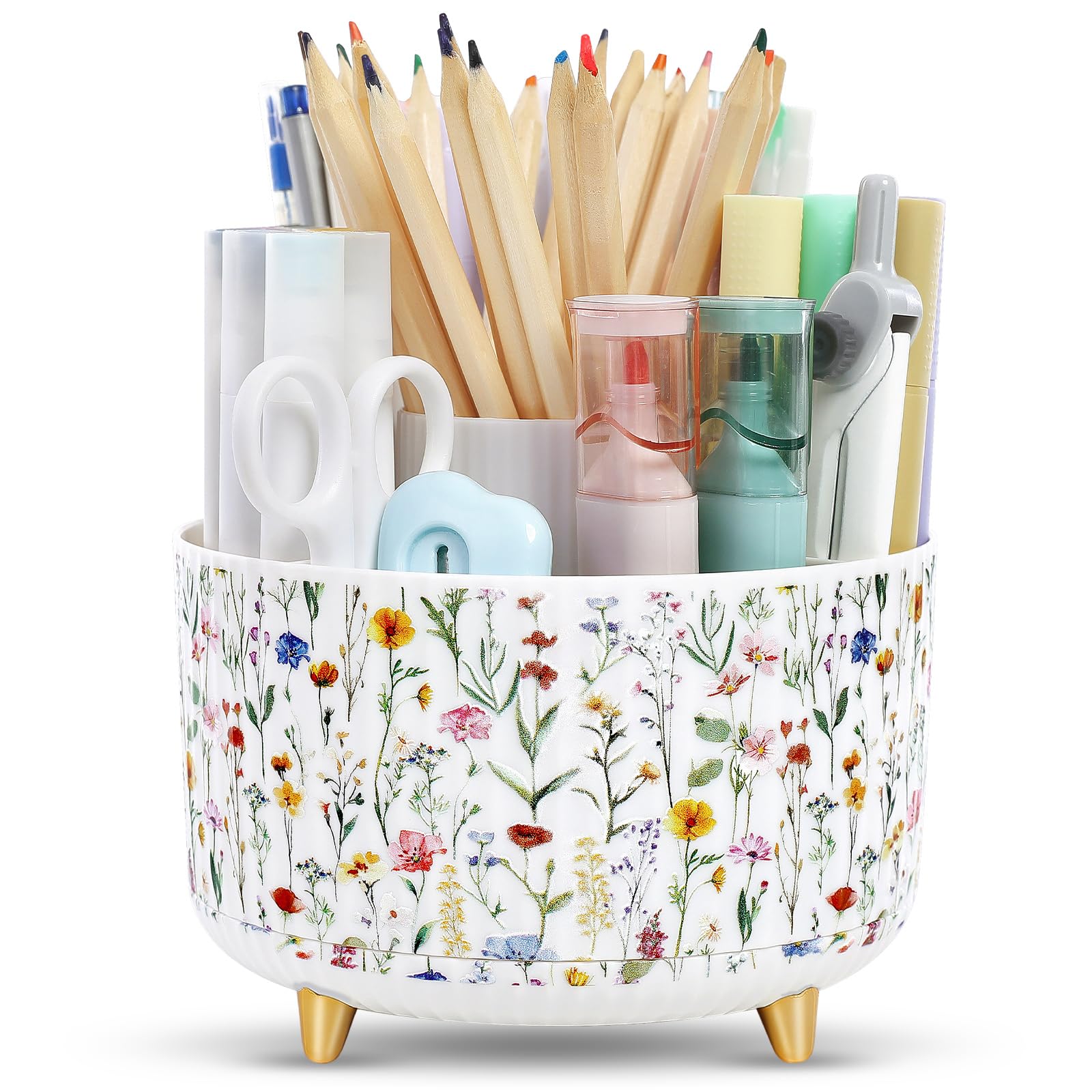
- Five compartments organize desk supplies while using limited desktop space.
- A rotating holder makes writing tools easier to reach.
- It can also hold art supplies or markers.
Best Gift For: A learner who wants pens and small study supplies close at hand.
Memoking T02 Sticker Printer, 6 Rolls
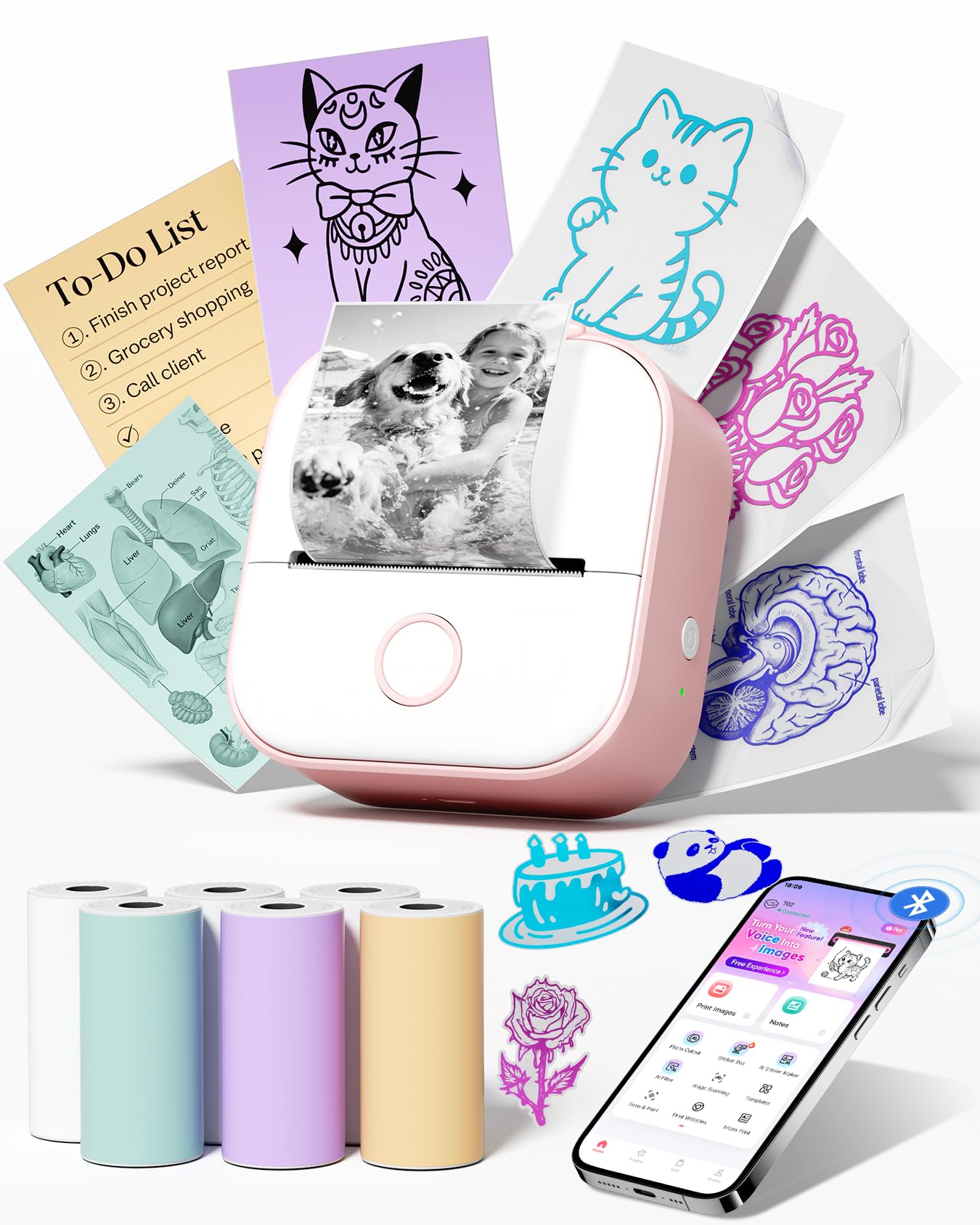
- The printer connects wirelessly through the Phomemo app using Bluetooth.
- It works with iOS and Android devices; computer printing is not supported.
- The package includes six rolls of thermal paper.
Best Gift For: A student or teacher who likes making study notes, diagrams, labels, or journal details.
Choosing birthday gifts for people who love learning
Start with the way the recipient likes to learn. A child who enjoys making things may be happiest with a project that unfolds over time, while a student may appreciate something they can use in regular study sessions.
For adults, consider an interest they already return to, such as collecting or reading.
Think about whether they prefer a shared activity or independent exploration. A family game can create an occasion to talk and play together; a microscope or reading light fits a quieter routine.
If you're unsure, choose an item that supports an existing hobby rather than adding a demanding new one.
For birthday gifts for people who love learning, age and context matter as much as the topic. Check the product's current age guidance and consider who will help with setup or participate.
A gift that suits the recipient's routine is more likely to find a place in it.
Balance the budget with how often it will be used
Set a comfortable spending range before choosing a gift. Small stationery or study accessories can be useful when paired with a personal note, while larger equipment or activity kits may make sense when the recipient has a clear interest and room to use them.
Compare current prices before deciding.
Consider what else might be needed to enjoy the gift. Some activities call for a quiet table, a compatible device, or a little help from an adult.
Read current product details and check compatibility before purchasing; add any needed supplies to your budget rather than letting them become an unexpected follow-up.
A lower-cost gift can still feel thoughtful when it is matched closely to someone's interests. For a bigger purchase, ask yourself whether the recipient will use it often enough to justify the space and setup.
A useful gift should fit both the learner and the household.
Personalize birthday gifts for people who love learning
A short handwritten note can connect a gift to the recipient's curiosity: mention a question they asked, a topic they enjoy, or an activity you hope to try together. For a younger learner, offer to join in; for an adult, recognize the time they make for their interests.
Presentation can set up the first use. Pair a learning activity with a simple invitation to explore it together, or wrap a notebook or reading accessory with a card about what they might enjoy recording or discovering.
Keep the extra touches easy to use and suited to the person's style.
For birthday gifts for people who love learning, personalization works best when it leaves room for discovery. You don't need to plan a full lesson or make the gift into a project.
A warm note, a quiet moment to try it, or an offer to share the activity can be enough.
Choose for the recipient's learning style
Some people learn by handling materials, others by reading, writing, or testing themselves. Notice what they choose in their free time: do they sketch ideas, collect interesting objects, read late into the evening, or enjoy a puzzle with family?
That clue can narrow the options quickly.
Think about practical fit as well. Check dimensions if desk space is limited, and confirm compatibility for any device-connected item.
Consider where the gift will be stored and whether its setup suits the recipient's habits. These simple checks help prevent a promising idea from becoming clutter.
When you're uncertain, lean toward flexibility. A tool used for notes, reading, or organizing can support many interests, while a specialized activity is most rewarding when it matches a known enthusiasm.
A small conversation with a family member or friend may reveal which kind of learning the recipient enjoys most.
Last-minute buying advice
For a birthday coming soon, compare the seller's current delivery estimates before placing an order. Availability and arrival timing can change, so leave a backup plan if the date is close.
A local card or a small companion gift can make the occasion feel complete if the main present arrives later.
Before checkout, review the current listing for the exact model or version, package contents, dimensions, and compatibility where relevant. This is especially helpful for electronics and kits, where the recipient's devices or available workspace may shape whether the gift is easy to use.
If timing feels uncertain, a thoughtful note can carry the idea of the gift: explain why you chose it and invite the recipient to pick a time to explore it with you. That keeps the focus on their curiosity and gives you room to choose a suitable item with care.